Summary:
What Makes Guerrilla Marketing with Banners So Effective
Guerrilla marketing isn’t about spending more. It’s about thinking differently. The concept borrows from unconventional warfare tactics—using creativity and surprise instead of brute force budgets to achieve your goals. When you apply this thinking to custom banners, you get outdoor advertising that people actually notice and remember.
The numbers back this up. Outdoor advertising delivers one of the lowest costs per thousand impressions in marketing, and banners specifically can return $6 for every dollar you invest. That’s a 497% ROI that most digital campaigns can’t touch. But the real power isn’t just in the math—it’s in the psychology. People have become numb to traditional advertising. They’ve developed what marketers call “banner blindness” online, and that same fatigue extends to predictable outdoor ads.
Custom banners used in guerrilla campaigns break that pattern. They show up where people don’t expect them, say things in ways people aren’t used to hearing, and create moments worth photographing and sharing. That’s how you turn a piece of vinyl into a conversation starter.
How to Choose the Right Banner Materials for Outdoor Campaigns
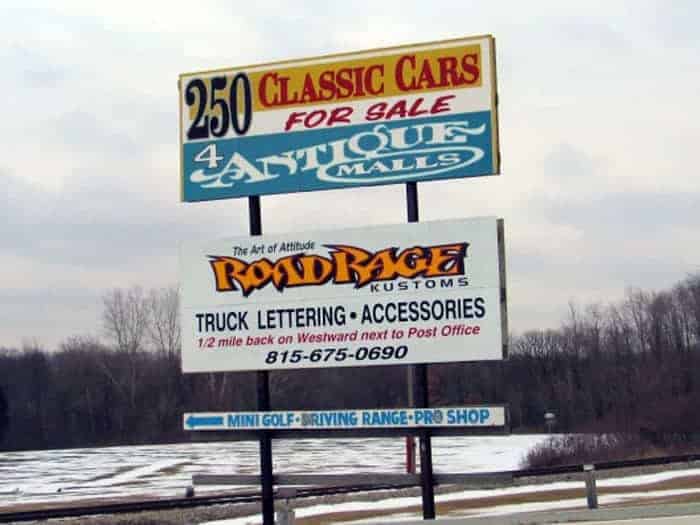
Not all banners are created equal, and choosing the wrong material can kill your campaign before it starts. You need to match your banner specs to your specific guerrilla marketing goals and environment.
Vinyl banners are the workhorse of outdoor advertising. They’re durable, weather-resistant, and deliver vibrant colors that stay sharp even from a distance. A 13-ounce vinyl banner can handle months of outdoor exposure without fading, making it ideal for longer campaigns. If you’re planning a multi-week installation in McHenry County, IL or Lake County, IL, this is your go-to option. The material is also affordable enough that you can print multiple versions for A/B testing different locations or messages.
Mesh banners solve a specific problem: wind. If you’re installing banners in open areas or elevated positions around Racine County, WI or Kenosha County, WI where wind is a factor, mesh construction allows airflow through tiny perforations. This reduces strain on mounting points and prevents your banner from turning into a sail. You sacrifice a bit of opacity, but strategic design with bold graphics and clear typography compensates for the mesh structure.
Fabric banners bring a premium feel to guerrilla campaigns. The woven polyester material resists wrinkling and reflects minimal light, which means your message stays readable even in bright sunlight. These work exceptionally well for experiential advertising at events or temporary installations where you want to convey quality and professionalism. They’re also lighter and easier to transport if your guerrilla campaign involves multiple locations in a single day.
Size matters more than you might think. Outdoor banners can range from compact 3-foot displays for sidewalk installations to massive 10-foot-plus installations for maximum visibility from vehicles. Consider your viewing distance when specifying dimensions. A banner meant to catch the attention of drivers on a busy road needs larger text and simpler graphics than one targeting pedestrians on a downtown sidewalk.
The finish and hardware make the difference between a banner that performs and one that fails. Grommets every 18-24 inches provide secure mounting points. Hemmed edges prevent fraying. UV-resistant inks ensure your colors don’t wash out after a few weeks in the sun. These details might seem minor, but they determine whether your guerrilla campaign runs smoothly or turns into a maintenance headache.
Strategic Placement Tactics That Maximize Banner Visibility
You can design the most creative banner in the world, but if nobody sees it, you’ve wasted your money. Strategic placement turns good banners into great guerrilla marketing.
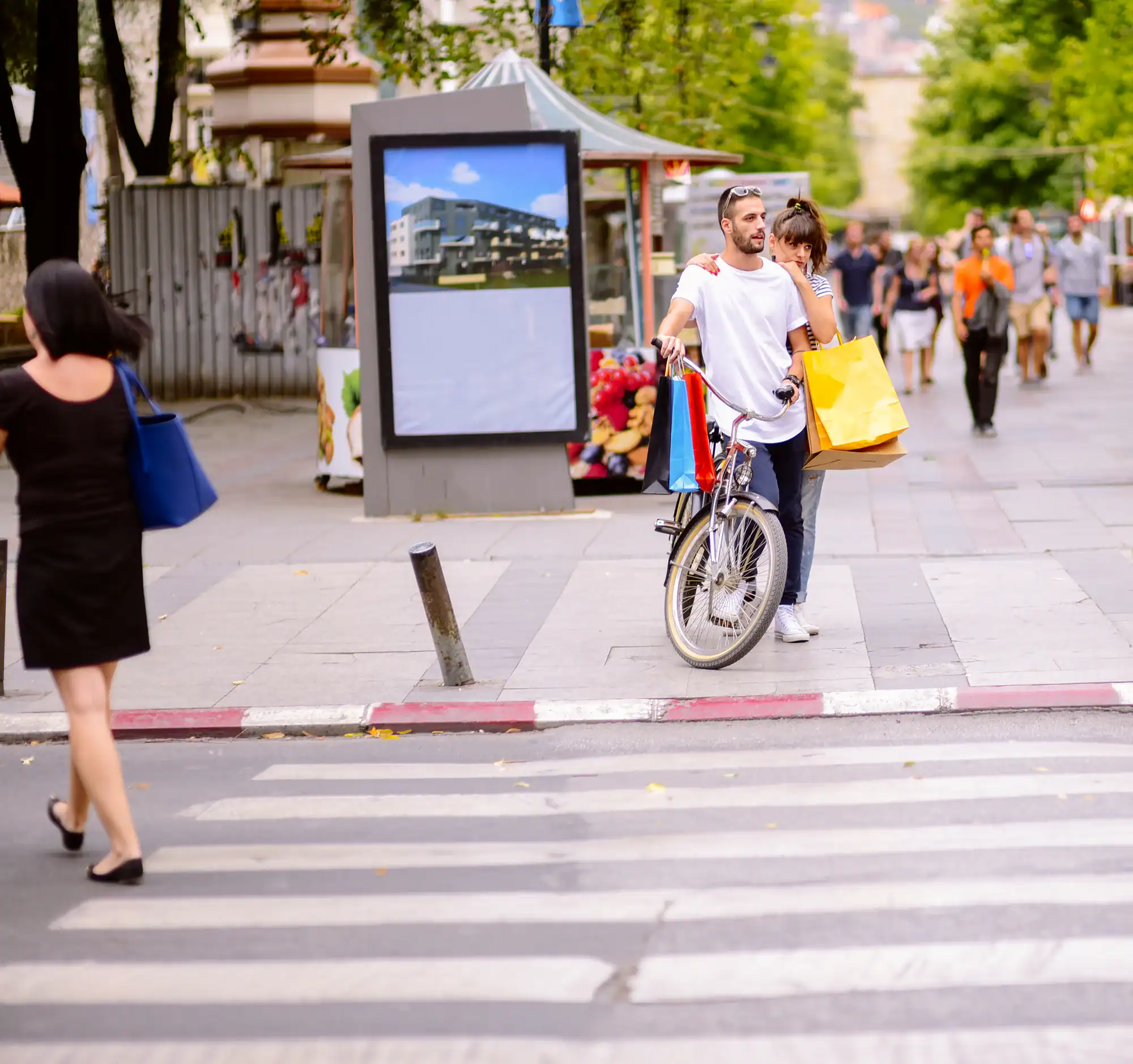
Start by mapping your target audience’s physical movement patterns. Where do they drive? Where do they walk? Where do they gather? In McHenry County, IL, that might mean identifying high-traffic intersections near shopping districts or positioning banners along commuter routes during morning and evening rush hours. In Lake County, IL, consider placement near community events, farmers markets, or popular recreational areas where your audience naturally congregates.
Height and angle determine readability. Banners mounted too high force viewers to crane their necks, which they won’t do. Banners mounted too low get blocked by vehicles, pedestrians, or other visual obstacles. The sweet spot for most outdoor banner installations is eye level to slightly above, angled to face the primary direction of foot or vehicle traffic. If you’re targeting drivers, factor in their approach angle and speed—they need to read your message in seconds.
Layering creates impact through repetition. Instead of relying on a single large banner, consider deploying multiple smaller banners along a route or throughout a specific area. This technique, common in street marketing tactics, builds familiarity through repeated exposure. Someone might glance at your first banner without fully processing it, but by the third or fourth sighting, your message has penetrated their awareness. It’s the outdoor advertising equivalent of remarketing.
Contextual placement amplifies your message. A fitness center banner near a popular jogging trail makes sense. A restaurant banner near office buildings during lunch hours makes sense. A seasonal promotion banner near retail districts during holiday shopping season makes sense. When your banner’s location reinforces its message, you’re not just advertising—you’re providing relevant information at the right moment.
Temporary installations in unexpected locations generate buzz. This is where guerrilla marketing truly separates itself from traditional outdoor advertising. A banner drop from a pedestrian overpass during morning commute hours (with proper permits, of course). Banners wrapped around construction fencing in high-visibility areas. Pop-up banner installations at community events or street festivals. These placements feel fresh because they’re not permanent fixtures people have learned to ignore.
The key to all placement strategies is understanding that visibility isn’t just about being seen—it’s about being seen by the right people at the right time in the right context. That’s what transforms a banner from simple signage into a strategic marketing asset.
Creative Banner Ideas for Guerrilla Marketing Campaigns
Theory is useful, but you need practical ideas you can actually implement. Here are ten creative ways to use custom banners in guerrilla marketing campaigns, each designed to maximize impact while keeping costs reasonable.
These aren’t cookie-cutter templates. They’re frameworks you can adapt to your specific business, audience, and location. Some work better for retail, others for services. Some require permits, others don’t. Some are subtle, others are bold. The common thread is that each approach leverages banners in ways that create memorable experiences and generate word-of-mouth.
Banner Drop Campaigns for High-Traffic Areas
Banner drops deliver maximum visibility with minimal time investment. The concept is simple: strategically place banners in busy areas where they’ll capture attention from large numbers of people quickly.
The execution requires planning. You need to identify locations with consistent foot or vehicle traffic, secure any necessary permits or permissions, and time your installation for maximum impact. In Racine County, WI or Kenosha County, WI, this might mean coordinating with local events, festivals, or peak shopping periods when downtown areas see increased activity.
Design matters enormously for banner drops. You’re competing with every other visual stimulus in a busy environment, so your banner needs to stand out immediately. Bold colors work. High contrast between text and background works. Simple, punchy messaging works. Clever wordplay or humor works if it’s genuinely funny and relevant. What doesn’t work is trying to cram too much information onto the banner. You have seconds to make an impression—use them wisely.
Installation speed is part of the guerrilla appeal. Unlike permanent signage that requires extensive setup, banner drops can be installed quickly using zip ties, bungee cords, or banner stands. This flexibility lets you respond to opportunities or test multiple locations without massive time commitments. A local business could install banners Friday afternoon to capture weekend traffic, then remove them Monday morning, all while staying within temporary signage regulations.
Measurement helps you improve. If you’re running banner drops in multiple locations, track which areas generate the most response. Use location-specific promotional codes or QR codes to attribute results to specific banner placements. This data tells you where to invest more heavily in future campaigns and where to pull back.
The beauty of banner drop campaigns is their scalability. Start with one or two locations to test the concept and refine your approach. Once you’ve proven the model works, expand to additional high-traffic areas across McHenry County, IL and Lake County, IL. The incremental cost of adding locations is relatively low, but the cumulative impact on brand awareness can be substantial.
Interactive Banner Installations That Drive Engagement
Static banners inform. Interactive banners engage. The difference between the two can be the difference between someone glancing at your message and someone actively participating with your brand.
Interactive elements don’t need to be complicated or expensive. QR codes turn any banner into a bridge between physical and digital marketing. A banner outside your business with a QR code linking to a special offer, exclusive content, or sign-up page converts passive viewers into active participants. The beauty is that you can track scans, measure conversion rates, and calculate exact ROI from each banner placement.
Photo-worthy installations create organic social media marketing. Design banners that serve as backdrops for selfies or Instagram photos. This works particularly well for businesses targeting younger demographics who actively seek out “Instagrammable” moments. A creatively designed banner at a street festival or community event becomes free advertising when attendees photograph themselves with it and share those images with their networks. Each share extends your reach exponentially beyond the physical location.
Augmented reality takes interaction to another level. While more technical than basic QR codes, AR elements embedded in banner designs can create immersive experiences when viewed through smartphone cameras. A fitness center could use AR to show before-and-after transformations. A restaurant could display menu items in 3D. A retail shop could let customers virtually “try on” products. The technology is increasingly accessible, and the wow factor generates significant buzz.
Gamification adds an element of fun that people remember. Consider banner installations that incorporate simple games or challenges. A scavenger hunt using multiple banners placed throughout a downtown area. A “find the hidden element” contest where careful observers can spot details that lead to prizes or discounts. These approaches transform your banners from advertisements into experiences, and experiences stick in memory far longer than simple messages.
The goal with interactive installations is to give people a reason to engage beyond passive consumption. When someone actively participates with your banner—scanning a code, taking a photo, playing a game—they’re investing attention and time. That investment creates a psychological connection that makes them more likely to remember your brand and consider your business when they need what you offer.
Experiential advertising through interactive banners works because it respects your audience’s intelligence and agency. You’re not shouting at them; you’re inviting them to participate. That invitation, when executed well, is far more powerful than any traditional advertisement.
Turning Banner Campaigns into Measurable Business Results
Guerrilla marketing with custom banners isn’t about being clever for cleverness’s sake. It’s about generating real business results—more foot traffic, more sales, more brand recognition—at a cost that makes sense for your budget.
The tactics we’ve covered work because they combine creativity with strategic thinking. They put your message in front of people when they’re out in the world, not hidden behind a screen. They create moments that people remember and talk about. And they deliver measurable returns that justify the investment.
The key is starting with clear goals, choosing tactics that align with those goals, and measuring results so you know what’s working. Whether you’re a small business in McHenry County, IL looking to compete with bigger competitors, or an established company in Lake County, IL, Racine County, WI, or Kenosha County, WI wanting to try something different, custom banners offer a proven path to cutting through the noise and reaching your audience.
At Road Rage Designs, we bring 20+ years of experience in creating high-quality custom graphics and signage that deliver results. From concept to installation, our focus is on helping you succeed with marketing that actually works.