
Summary:
You’ve watched it happen to competitors. They install fresh outdoor signage in spring. By fall, it’s faded. By winter, it’s cracked. Come spring, they’re paying for replacements.
That’s not bad luck. That’s what happens when outdoor signs for business aren’t built for McHenry County weather. Your signage faces subfreezing temperatures, heavy snow loads, intense UV exposure, persistent wind, and humidity swings that test every material and mounting point.
The difference between signs that fail in three months and those that perform for three years comes down to materials, installation technique, and who’s doing the work. Here’s what actually matters when your outdoor business signs need to survive Illinois weather extremes.
Banner Business Signs That Survive Illinois Weather Extremes
Banner business signs offer flexibility that permanent signage can’t match. You can announce seasonal promotions, grand openings, or limited-time offers without permanent commitments. The problem is most banners aren’t engineered to last more than a few weeks outdoors in real weather conditions.
The banners that survive McHenry County’s climate do three things right. They use commercial-grade vinyl—13 to 18 ounce material that resists tearing in high winds. They’re printed with UV-resistant inks that maintain color vibrancy through months of direct sunlight exposure. And they’re installed with reinforced stress points, because wind pressure tears through weak construction faster than any other failure mode.
Temperature extremes matter more than most businesses realize. Standard vinyl becomes brittle when temperatures drop below freezing, leading to cracks and adhesion failure. Cold-weather vinyl materials stay flexible and maintain their bond even at temperatures well below zero—critical for Illinois winters where subfreezing conditions persist for weeks.
Banner Signs for Business Storefronts and Outdoor Events

Storefront banner signs for business locations need to maintain professional appearance through months of weather exposure while delivering marketing value. That requires materials engineered to handle both physical stress from wind and weather plus visual degradation from UV exposure.
Mesh vinyl solves a critical problem for exposed locations. Solid vinyl acts like a sail, catching wind and creating stress that eventually tears the material or pulls mounting hardware free. Mesh vinyl features tiny perforations that allow wind to pass through while maintaining image quality from viewing distance. For exposed McHenry County locations or larger banners, mesh construction often determines whether your banner lasts weeks or seasons.
Grommets and reinforced edges aren’t cosmetic details—they’re structural requirements. Commercial-grade grommets placed at appropriate intervals distribute tension evenly across the banner surface. Heat-welded hems prevent edge tearing where stress concentrates during wind events. Wind slits in larger banners release pressure before it builds enough to cause structural damage.
Installation technique determines whether these features actually protect your investment. Banners need proper tension—tight enough to prevent excessive movement, loose enough to allow flex without creating constant stress on mounting points. Hardware selection must account for your specific location, whether that’s building facades, fence lines, or freestanding posts.
The ROI on properly constructed banner business signs is substantial. Strategic banner placement can return six dollars for every dollar invested. But that only works when your banner survives long enough to generate those impressions. A banner that fails after six weeks delivers no return. One that performs through multiple seasons pays for itself several times over.
Promo Banner Durability for Seasonal Campaigns
Promo banners serve specific purposes—capturing attention for limited-time offers, announcing new products, or creating urgency around seasonal promotions. But “limited time” shouldn’t mean your banner fails before the campaign ends. The challenge is balancing cost-effectiveness with durability for your intended use period.
A promo banner for a two-week sale has different durability requirements than one announcing a grand opening that runs for months. Understanding this difference prevents both overspending on unnecessary features and underinvesting in durability that leaves your message looking unprofessional halfway through your promotion.
Material weight directly impacts outdoor performance. Thirteen-ounce vinyl works for short-term indoor use or protected outdoor locations. For exposed outdoor promotional signage in McHenry County, 15 to 18-ounce vinyl provides the durability needed to maintain appearance through weather exposure. The cost difference is modest compared to the performance gap.
Lamination adds protective layers that extend banner life and preserve appearance. It shields printed surfaces from UV degradation, moisture infiltration, and physical abrasion. For promotional banners you’ll reuse across multiple campaigns or seasons, lamination pays for itself through extended use cycles. For truly short-term applications, you can skip this feature.
Storage between campaigns matters as much as construction quality. Banners stored properly—rolled rather than folded, kept in cool dry conditions, protected from sunlight—can be reused multiple times. Banners thrown in storage corners, exposed to moisture, or repeatedly folded develop creases, mold growth, and material degradation that shortens their useful life.
The real value in promotional banners comes from marketing flexibility. You can test different messages, rotate seasonal offers, and adapt your marketing without the commitment and expense of permanent outdoor signs for business. But only when your banners survive long enough to deliver that flexibility.
Custom Business Banners Engineered for Your Location
Custom business banners give you control over every specification—dimensions, shapes, colors, graphics, and materials. That control matters because your location, your message, and your weather exposure create unique requirements. What works for a protected entrance fails on a fence line facing prevailing winds.
Commercial-grade custom banners start with understanding the specific conditions they’ll face. Does your location get full sun exposure most of the day? UV-resistant inks and protective coatings become essential. Does your site experience consistent wind? Mesh material or strategically placed wind slits prevent the structural failures that end most banner lifespans.
McHenry County weather creates specific challenges that generic banners can’t handle. Winter temperatures regularly drop below freezing, sometimes reaching well below zero. Summers bring intense heat and humidity. Spring and fall deliver rapid temperature swings that cause materials to expand and contract. Your outdoor business signs need to handle all of it without cracking, warping, or losing adhesion.
Outdoor Signs for Business Integration with Brand Strategy

Your outdoor business signs don’t exist in isolation. They’re part of a comprehensive brand presence including your storefront, your vehicles, your interior graphics, and every visual touchpoint customers encounter. When these elements work together cohesively, they create recognition and reinforce your message. When they don’t align, they create confusion about your brand.
Integration starts with consistency in design elements—colors, fonts, logo treatment, and overall visual style. But it goes deeper than color matching. It’s about creating seamless experiences where customers see the same professional presentation whether they’re viewing your building signage, your delivery vehicles, or your promotional banners.
This consistency matters more than most McHenry County businesses realize. Customers make snap judgments about your professionalism and reliability based on visual coherence. Outdoor signs for business that look disconnected from your other branding elements raise questions—even subconscious ones. Signage that reinforces your established brand identity builds trust and recognition.
The practical benefit is operational efficiency. When you work with providers who understand how outdoor signage integrates with vehicle graphics and other branding elements, you don’t coordinate between multiple vendors. Design elements carry through naturally. Materials and finishes complement each other. Installation timing and logistics get handled as part of a comprehensive approach rather than disconnected projects.
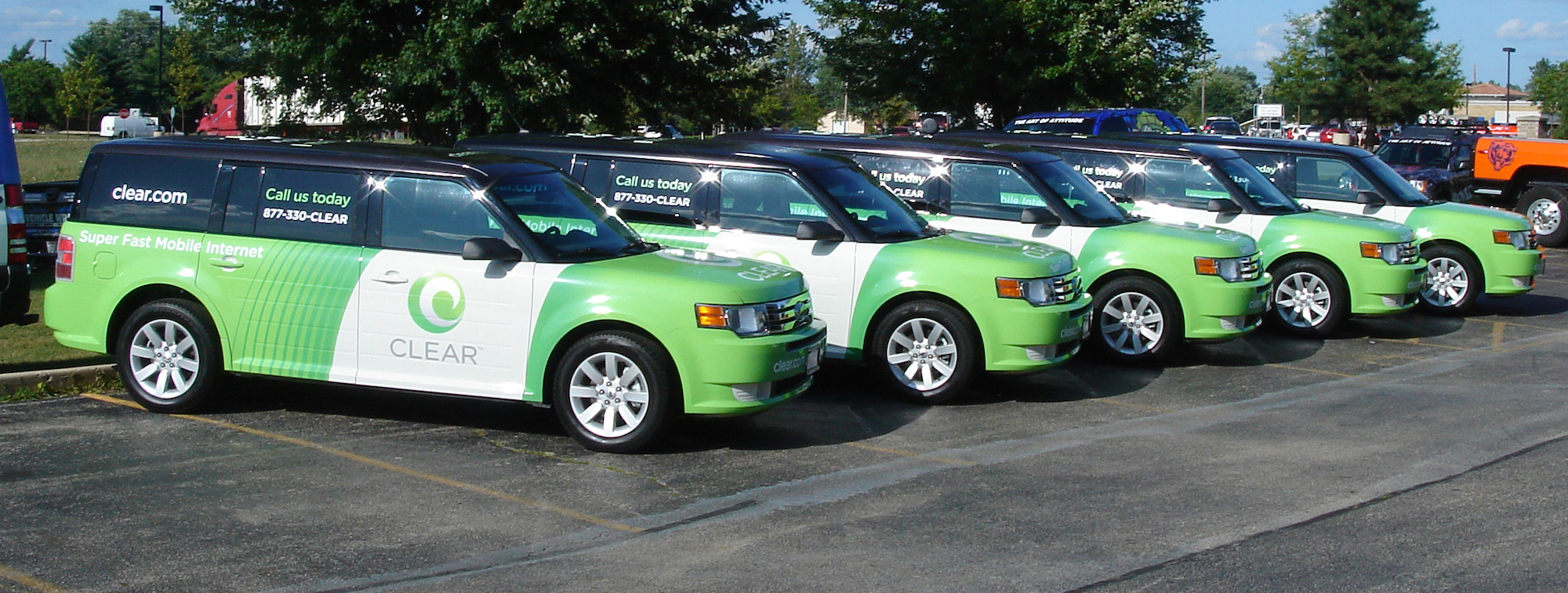
For businesses operating fleets, this integration becomes even more valuable. Your vehicles generate thousands of daily impressions as mobile billboards. When your outdoor business signs match your vehicle graphics, you create multiple touchpoints reinforcing the same message. That repetition builds brand recognition faster than either element achieves alone.
The consultation process should address how new outdoor signage fits your existing branding. Are there vehicle graphics or storefront elements that need consideration? Are you planning additional branding projects that should be coordinated? Understanding the complete picture prevents creating signage that works in isolation but doesn’t support your broader marketing strategy.
Commercial-Grade Materials and Professional Installation Standards
Material quality determines how long your outdoor signs for business actually perform. Commercial-grade materials cost more upfront because they’re engineered to handle stress. They use heavier substrates, more durable inks, superior adhesives, and protective treatments that consumer-grade materials omit.
Aluminum excels for outdoor business signage requiring years of performance. It’s naturally rust-resistant, handles temperature fluctuations without warping, and provides professional appearance suited to corporate and commercial applications. Aluminum composite materials combine aluminum faces with polyethylene cores, delivering strength without excessive weight. They’re particularly well-suited for McHenry County’s salt-heavy winter environment where corrosion resistance prevents premature degradation.
Vinyl remains the workhorse material for banners and flexible outdoor signs for business. But vinyl quality varies dramatically. Cast vinyl handles complex curves and maintains dimensional stability better than calendered vinyl. UV-resistant coatings prevent the fading that makes outdoor signage look unprofessional within months. Waterproof properties ensure moisture doesn’t compromise material integrity or cause delamination.
Installation technique matters as much as material selection. Even the best materials fail when installed incorrectly. Proper mounting requires understanding how materials expand and contract with Illinois temperature changes. Rigid signage needs expansion gaps and mounting systems designed for temperature fluctuation. Without them, materials warp, crack, or pull free from mounting points.
Wind resistance requires specific installation approaches for McHenry County’s conditions. Larger signs need mounting that distributes wind load across multiple attachment points. Hardware must be sized appropriately for sign dimensions and expected wind exposure. Coastal-grade stainless steel fasteners prevent rust stains that develop when standard hardware corrodes in winter salt exposure.
Water drainage prevents damage from ice formation during freeze-thaw cycles. Signs installed flush against surfaces trap moisture that freezes, expands, and causes structural damage. Proper installation includes spacing that allows water drainage and air circulation, preventing ice buildup and the damage it causes to both signs and mounting surfaces.
The difference between installers who mount signs and professionals who understand installation engineering shows up in performance longevity. Experience with local weather conditions, knowledge of material properties, and attention to installation details that prevent common failure modes—these separate installations that last from those that don’t.
Investing in Outdoor Business Signage That Performs Year-Round
Your outdoor signage investment should deliver years of reliable performance, not months before requiring replacement. That happens when you start with commercial-grade materials engineered for Illinois weather, work with professionals who understand proper installation techniques, and integrate your signage with your comprehensive branding strategy.
Signs that fail do so for predictable reasons—inadequate materials, improper installation, or prioritizing low price over long-term performance. Signs that last use proven materials, get installed correctly the first time, and come from providers who stand behind their work because their reputation depends on it.
When you’re ready to invest in outdoor signs for business that perform through McHenry County’s weather extremes, we bring 20 years of experience, 3M and PDAA certifications, and a perfectionist approach to every project. Your signage represents your business to every person who sees it. It should look professional and perform reliably, year after year.