Summary:
You just invested thousands in commercial vehicle wrapping for your fleet. The graphics look sharp, your brand’s rolling through McHenry County, and you’re generating impressions daily. Then six months in, you notice edge lifting or premature fading. You call to make a warranty claim and discover the coverage doesn’t apply because of how the wrap was installed or maintained. That’s the moment most business owners realize warranty protection isn’t automatic—it’s earned through proper installation, certified materials, and consistent care. This guide breaks down exactly what protects your commercial vehicle wrap investment and what silently voids the coverage you’re counting on.
Understanding Commercial Vehicle Wrap Warranty Coverage
Two separate warranties protect your commercial vehicle wrapping investment, and knowing the difference matters when problems arise. The manufacturer warranty covers the vinyl film itself against defects like premature fading, cracking, or adhesive failure. Companies like 3M and Avery Dennison back their materials for specific time periods based on film quality and application conditions.
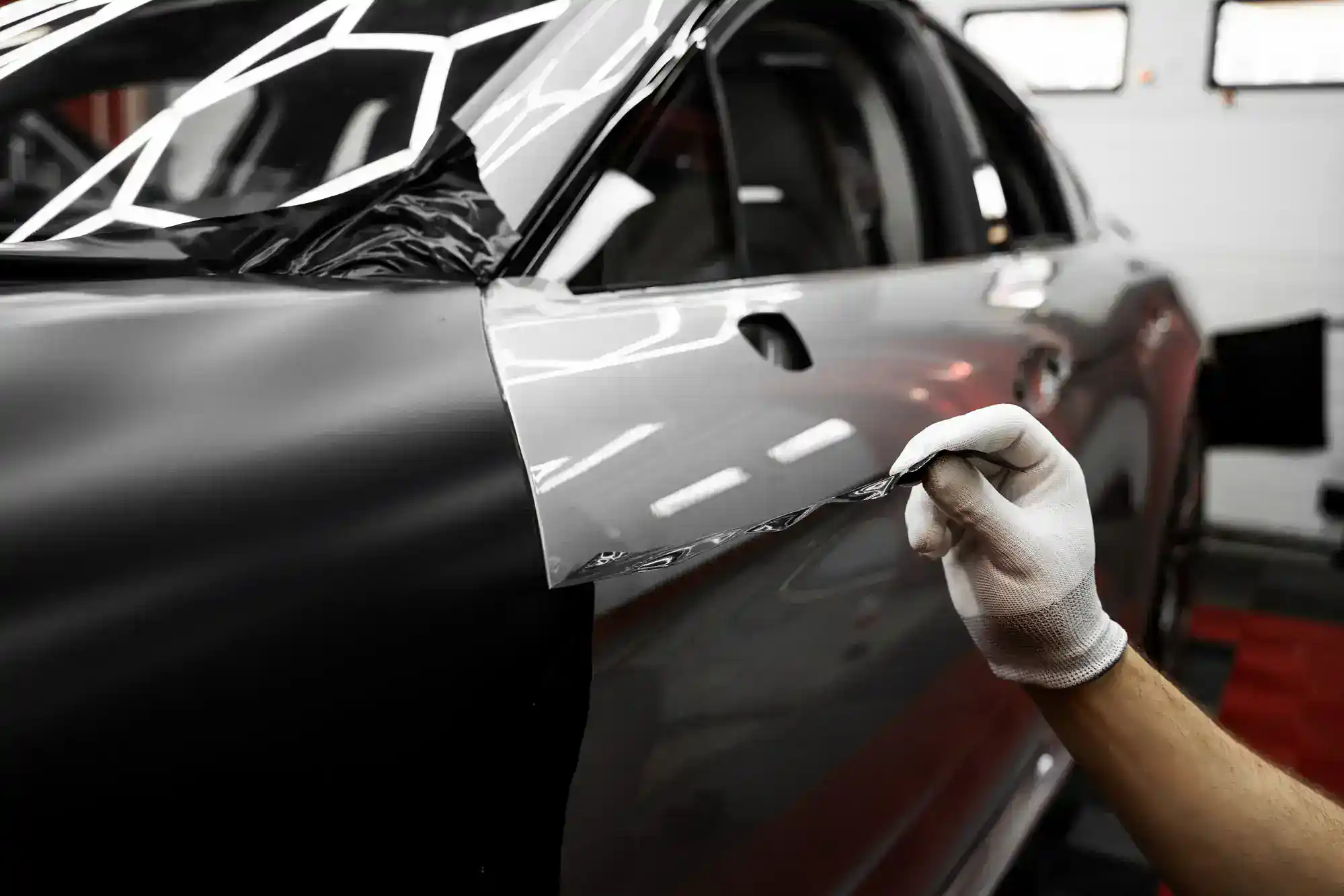
The installer warranty covers workmanship—how the wrap was applied to your vehicle. This addresses issues like improper surface preparation, air bubbles, or installation mistakes that cause the wrap to fail. When you work with 3M certified vehicle wrap installers, both warranties align to provide complete protection. Without certification, you might have material coverage but no recourse if installation quality causes the failure.
What manufacturer warranties actually cover for vehicle wraps

Manufacturer warranties protect against product defects, not everything that goes wrong with your wrap. Premium 3M films typically offer up to eight years of coverage on vertical surfaces like doors and side panels, but only three years on horizontal surfaces like hoods and roofs. That difference exists because horizontal surfaces face direct sun exposure and degrade faster regardless of material quality.
Coverage includes specific failures. If your wrap develops cracks due to vinyl defects, starts peeling because of adhesive breakdown, or fades prematurely from material issues, the manufacturer warranty should cover replacement film. The key phrase is “due to defects.” If fading happens because you parked in direct sun for years without proper care, or peeling occurs because you used harsh chemicals during washing, those fall outside warranty protection.
The warranty only applies when you use matched component systems. For 3M’s comprehensive MCS warranty, the installer must use 3M vinyl, 3M-approved inks, and 3M laminate. Mix in an unapproved laminate or use unauthorized printing processes, and the manufacturer warranty becomes void before your vehicle even hits the road. Many shops don’t register their equipment or follow these requirements, leaving you with materials that technically have no valid warranty coverage.
Geographic location affects your coverage too. Manufacturers divide regions into warranty zones based on climate factors. Extreme UV exposure, high altitude, or harsh environmental conditions can reduce warranty duration or require specific material selections. McHenry County, IL falls into standard coverage zones, but understanding these factors helps you set realistic expectations for wrap longevity and warranty protection.
How installer warranties protect your commercial fleet investment
Installer warranties cover what happens during application, and this protection varies dramatically between certified and uncertified shops. When 3M certified car wrap installers complete your project, they guarantee their workmanship typically for one year. This covers installation-related failures like edges lifting due to improper technique, bubbles forming from inadequate surface preparation, or seams failing because of poor application methods.
The certification matters because it demonstrates proven competency. To become 3M certified, installers must pass hands-on testing at 3M facilities, complete written examinations, and demonstrate their company maintains sound business practices. They’re trained in proper surface preparation, precise application techniques, and how to handle complex vehicle curves without compromising the wrap. This training directly translates to installations that hold up and maintain manufacturer warranty validity.
Uncertified installers might offer lower prices, but you’re gambling with your warranty protection. If they use improper techniques, cut corners on surface prep, or apply the wrap in unsuitable environmental conditions, the manufacturer can deny warranty claims by pointing to installation failures. You end up paying twice—once for the original installation and again to fix problems that shouldn’t have occurred.
Documentation becomes critical when problems arise. Certified installers provide installation records, warranty registration, and detailed information about materials used. This paperwork proves you met all manufacturer requirements for valid warranty coverage. Without proper documentation, even legitimate warranty claims become difficult to process. You’re left trying to prove the wrap was installed correctly, which materials were used, and whether you followed all maintenance requirements—an uphill battle without professional records.
What Voids Your Commercial Vehicle Wrap Warranty
Warranty coverage disappears faster than most business owners realize, often through actions that seem harmless. The most common mistake is improper washing. Running your wrapped vehicle through an automatic car wash with rotating brushes can cause edge lifting, surface scratching, and premature wear. Most manufacturer warranties specifically exclude damage from brush-style car washes, yet many fleet managers use them for convenience without realizing they’re voiding protection.
Chemical damage ranks as another frequent warranty killer. Using harsh cleaning products, petroleum-based solvents, or abrasive compounds on your wrap degrades the vinyl and voids coverage. Even some “car-safe” products contain ingredients that damage wrap materials. Manufacturer warranties require specific cleaning methods and approved products. Deviation from these guidelines gives manufacturers grounds to deny claims for fading, discoloration, or material breakdown.
Improper maintenance that silently cancels warranty protection

Your maintenance routine directly determines whether warranty coverage remains valid. Manufacturers require regular cleaning to prevent contaminant buildup that can permanently damage vinyl. Letting bird droppings, tree sap, or road tar sit on your wrap for extended periods causes staining and material degradation that warranties don’t cover. The expectation is reasonable care—cleaning your wrapped vehicle at least every two weeks, or weekly for vehicles stored outdoors.
Pressure washing presents specific risks when done incorrectly. Warranties typically allow pressure washing only under strict conditions: water pressure below 2000 PSI, using a 40-degree wide-angle nozzle, maintaining at least 12 inches distance from the wrap, and keeping water temperature below 140 degrees. Exceed these parameters and you risk forcing water under the wrap edges, causing adhesive failure that voids warranty coverage.
Neglecting to document your maintenance creates problems during warranty claims. Some manufacturers require proof you followed care guidelines. Without maintenance records showing regular cleaning and proper care, they can deny claims by asserting neglect caused the failure. This doesn’t mean you need elaborate documentation, but keeping basic records of when you washed vehicles and what products you used provides protection if warranty issues arise.
Environmental factors you can control also matter. Parking wrapped vehicles in direct sunlight for extended periods accelerates UV degradation. While warranties cover normal outdoor use, they expect reasonable protection measures. If you have garage or covered parking available and choose not to use it, premature fading from constant sun exposure might not qualify for warranty coverage. The standard is whether you took reasonable steps to protect your investment.
Why working with 3M certified vehicle wrap installers protects coverage
Certification status directly impacts your warranty protection in ways that only become apparent when problems occur. The 3M MCS warranty—the industry’s most comprehensive coverage—requires installation by certified professionals using complete 3M component systems. This isn’t just a recommendation; it’s a requirement for full warranty validity. Uncertified installers can’t provide this level of protection regardless of their skill or experience.
Certified installers understand manufacturer requirements because they’ve been trained on them. They know which surface preparation methods satisfy warranty standards, how to document installations properly, and what application techniques prevent failures. This knowledge protects you from installation-related warranty denials. When a certified installer completes your commercial vehicle wrapping project, they’re essentially pre-qualifying your warranty coverage through proper execution.
The certification also provides accountability. Certified installers operate under codes of conduct and maintain business standards verified by third-party organizations. They carry proper insurance, employ trained staff, and follow established quality procedures. If warranty issues arise, you’re working with a legitimate business that has systems in place to handle claims professionally, not a fly-by-night operation that might disappear when problems surface.
Material selection becomes simpler with certified installers because they stock warranty-qualifying products. They’re not mixing and matching components from different manufacturers or using cheaper alternatives that void coverage. When they recommend materials for your fleet, you know those choices maintain full warranty protection. This eliminates the guesswork and risk of inadvertently selecting options that compromise your coverage.
Working with certified professionals in McHenry County, IL means partnering with installers who understand local conditions. They know how Illinois weather affects wrap longevity, which materials perform best through winter salt exposure and summer heat, and how to prepare vehicles that will face four-season conditions. This regional expertise helps maximize both wrap performance and warranty coverage throughout your vehicle’s service life.
Protecting Your Commercial Vehicle Wrap Warranty Investment
Your commercial vehicle wrapping investment deserves protection that actually holds up when you need it. Understanding the difference between manufacturer and installer warranties, knowing what actions void coverage, and recognizing why certification matters puts you in control of safeguarding that investment. The warranty isn’t just paperwork—it’s your financial protection against premature failure and unexpected replacement costs.
Proper maintenance, certified installation, and documented care keep your warranty valid throughout your wrap’s lifespan. These aren’t burdensome requirements; they’re straightforward practices that also extend wrap longevity beyond the warranty period. When you combine quality materials, expert installation, and consistent care, you’re not just protecting warranty coverage—you’re maximizing the return on your mobile advertising investment.
We bring 20 years of experience and 3M certification to every commercial vehicle wrapping project in McHenry County, IL. Our perfectionist-level quality and transparent processes ensure your warranty protection remains intact while your fleet graphics maintain professional appearance for years.