Summary:
Your car just took a hit. Now you’re staring at a dent, dealing with insurance, and trying to figure out which body shop won’t make things worse. You need the damage fixed right, the paint matched perfectly, and your vehicle back to safe driving condition—without getting taken for a ride on price or quality.
McHenry County has dozens of auto body shops. Some are excellent. Others will leave you with a repair that fails six months later. The difference comes down to certifications, equipment, and whether they actually care about getting it right the first time. Here’s what you need to know before you hand over your keys.
What to Look for When Choosing Auto Body Shops Near Me
Not all body shops operate at the same level. The shop with the cheapest estimate might cut corners you won’t notice until your paint starts peeling or your safety sensors stop working. The one with the longest wait time might be booked solid because they’re the only shop in town that does the job correctly.
Start with certifications. I-CAR Gold Class is the industry’s highest training standard, and less than 20% of collision shops nationwide hold it. ASE certification applies to individual technicians and requires two years of experience plus passing rigorous exams. These aren’t just badges on the wall—they mean the people working on your car actually know what they’re doing with modern vehicle technology.
Next, look at the facility itself. Clean, organized shops with modern equipment like frame straightening machines and computerized paint booths can deliver precision that older setups can’t match. If the place looks chaotic or the staff can’t answer basic questions about their process, that’s usually a sign of how they’ll treat your repair.
Understanding I-CAR and ASE Certifications for Collision Repair

I-CAR stands for Inter-Industry Conference on Auto Collision Repair. It’s a nonprofit that trains collision technicians on the latest repair techniques, especially for vehicles with complex safety systems. The Gold Class designation means a shop’s technicians receive ongoing training and stay current with changes in vehicle design and technology. It’s not permanent—shops have to maintain continuous education to keep the certification.
Only about 20% of auto body shops in the United States achieve Gold Class status. That exclusivity matters because modern vehicles aren’t simple. They’re built with advanced materials, sensor systems, and safety features that require specific repair procedures. A shop without proper training might fix the visible damage but miss critical structural issues or fail to recalibrate safety systems correctly.
ASE certification works differently. It applies to individual technicians, not the facility. To earn ASE credentials, a technician needs at least two years of professional work experience and must pass tests covering their specific trade—whether that’s collision repair, painting, or damage analysis. These certifications expire every five years, so technicians have to retest to stay current.
The best shops have both. I-CAR ensures the facility follows industry standards for collision repair. ASE ensures individual technicians have demonstrated knowledge and skill in their specific areas. When you’re comparing auto body shops near you, ask about both certifications. If they can’t tell you who’s certified or when their training was last updated, that’s a red flag.
Certifications also matter for insurance and warranties. Many insurance companies require shops to hold specific certifications before they’ll include them in preferred provider networks. If your repair needs to meet manufacturer specifications—especially for newer vehicles still under warranty—an OEM-certified shop ensures the work aligns with factory standards.
You’re not just paying for a paint job. You’re paying for expertise that keeps your vehicle safe and maintains its value. Shops with certified technicians charge what they charge because they invest in training, equipment, and doing repairs that won’t fail. That’s worth more than saving a few hundred dollars on an estimate from a shop that can’t prove their technicians know what they’re doing.
How Auto Body Shop Quality Affects Vehicle Wrap Installation
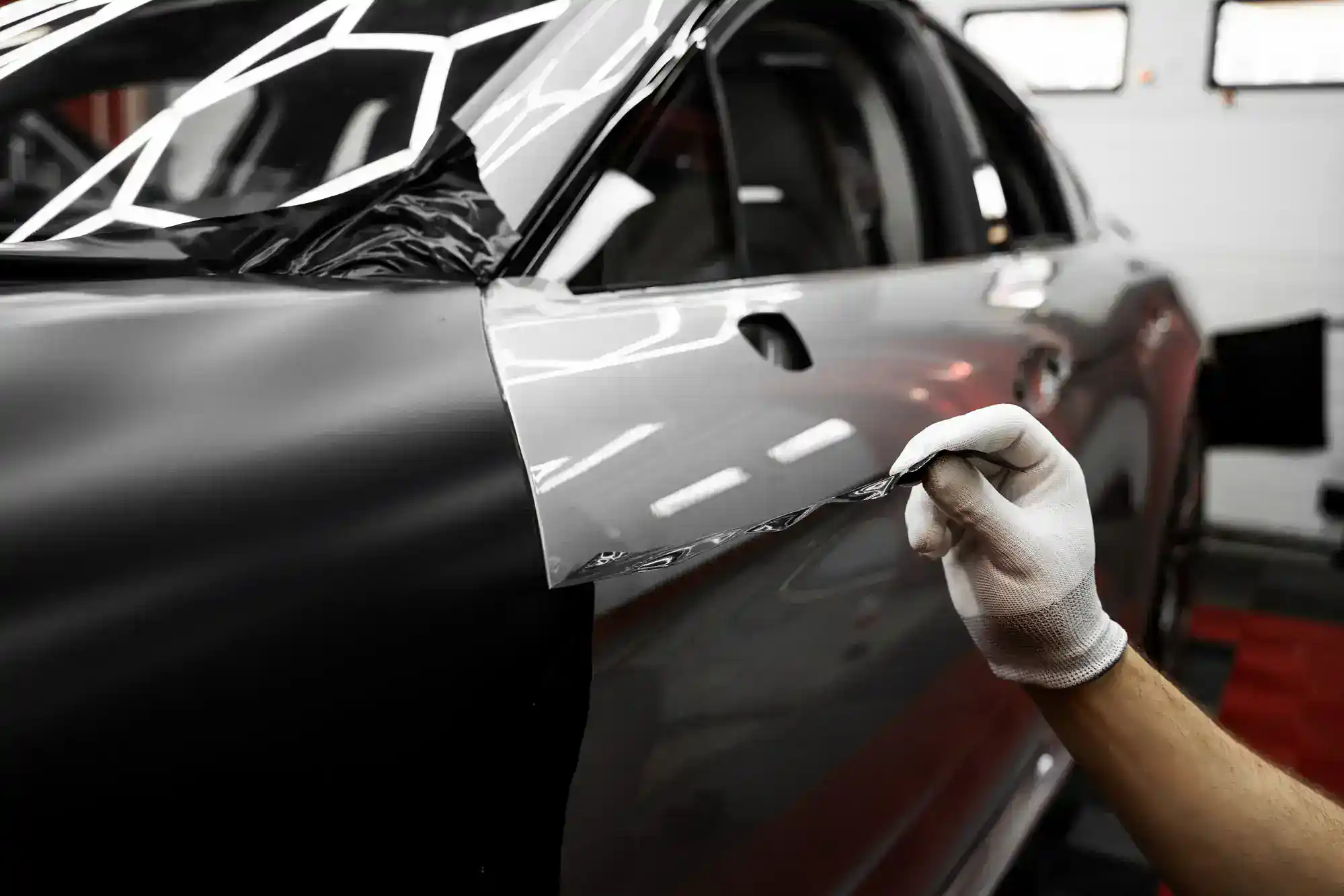
If you’re planning to wrap your vehicle after bodywork, the quality of that repair matters more than you might think. Vinyl wraps don’t hide imperfections—they highlight them. Every dent, ripple, or uneven surface will show through the wrap. Worse, if the body shop doesn’t prepare the surface correctly, your wrap won’t adhere properly and could start peeling within months instead of lasting five to seven years.
Professional wrap installers need a clean, smooth, rust-free surface. That means the body shop needs to remove all rust, repair dents completely, and ensure the paint is properly cured before any wrap goes on. If they use cheap paint or rush the drying process, the wrap adhesive won’t bond correctly. You’ll end up paying for a second repair and a new wrap installation.
Shops that work with wrap installers understand these requirements. They know that surface prep for wraps is more demanding than prep for regular paint-only repairs. They’ll make sure panels are smooth, edges are properly finished, and there’s no residual wax or contaminants that could interfere with vinyl adhesion.
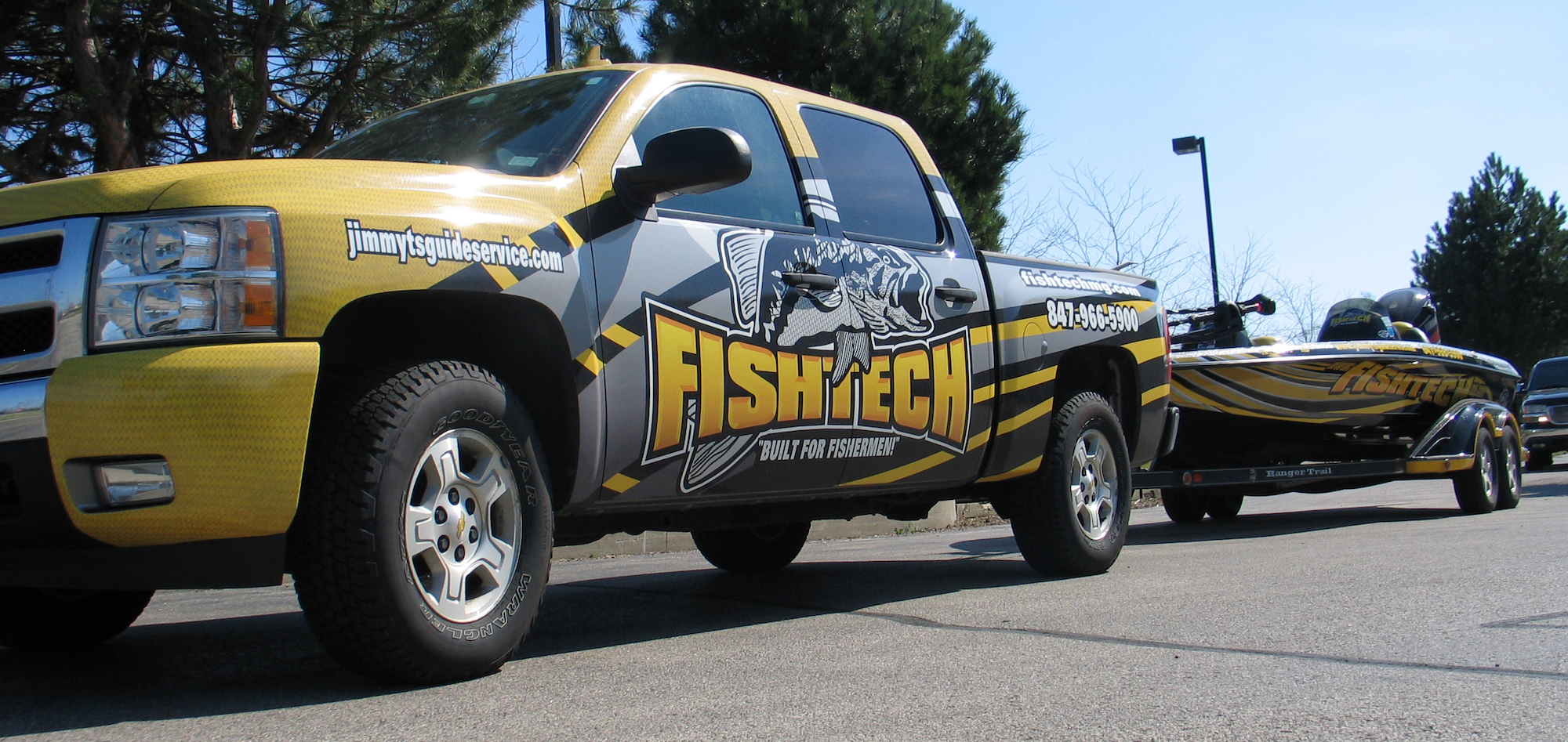
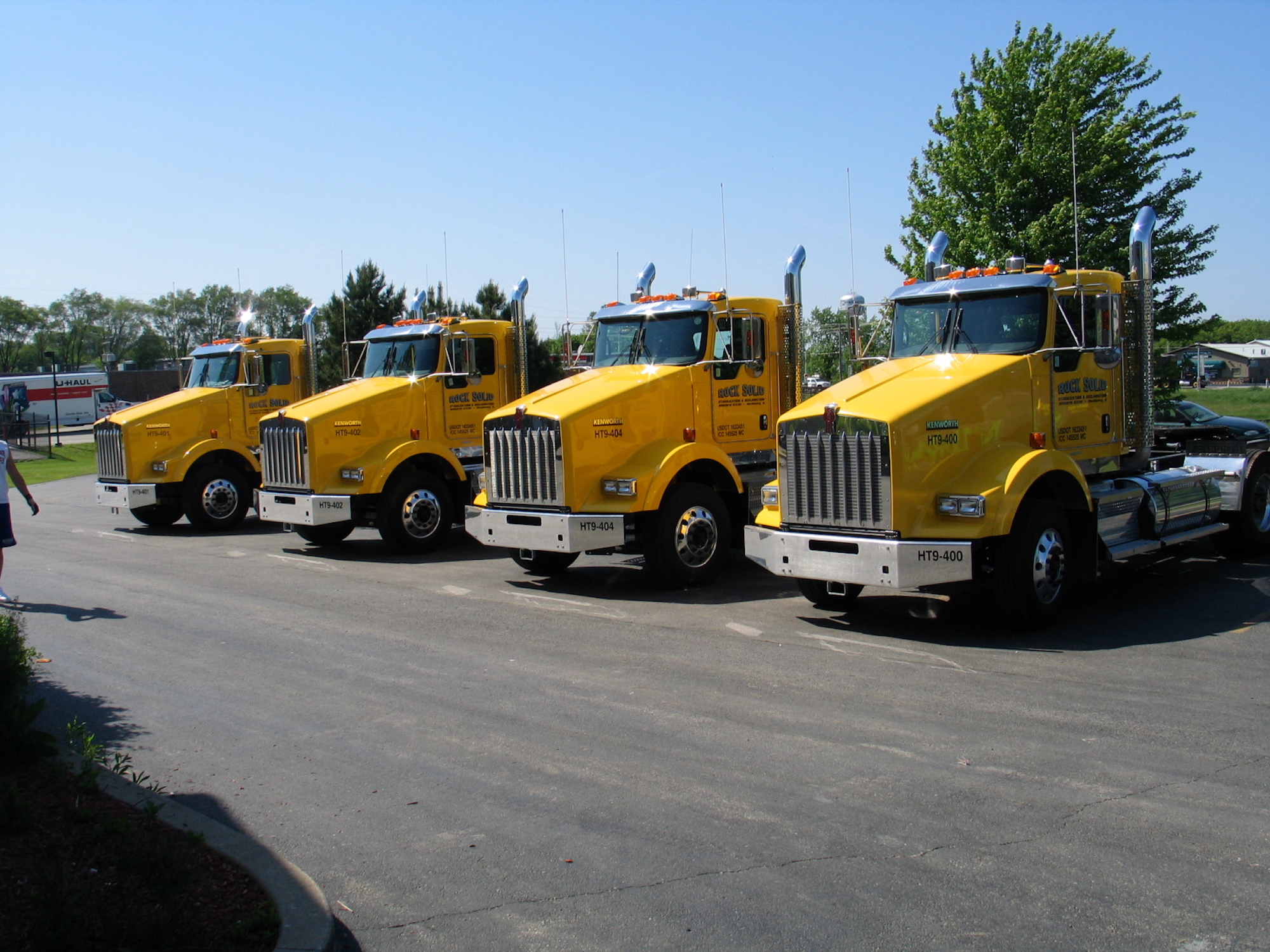
This matters whether you’re wrapping for business branding or personal customization. Commercial fleet wraps need to last because they’re advertising investments. A wrap that peels or bubbles after six months doesn’t just look bad—it costs you money in lost branding and redo expenses. Personal wraps are the same. You’re investing thousands of dollars in a color change or custom graphics. The bodywork underneath needs to support that investment.
When you’re choosing an auto body shop, ask if they’ve worked with wrap installers before. Ask how they prep surfaces for vinyl application. If they don’t know what you’re talking about or dismiss it as “no different than regular paint prep,” find a different shop. The right shop will understand that wraps require extra attention to surface quality and will take the time to do it correctly.
At Road Rage Designs in Spring Grove, we work with body shops across McHenry County that understand these requirements. Proper bodywork creates the foundation for wraps that last, look professional, and protect your vehicle’s factory paint underneath. If you’re planning a wrap after collision repair, make sure your body shop knows what’s coming next.
Top Collision Repair Shops in McHenry County
McHenry County has a mix of independent family-owned shops and national chains, each with different strengths. National chains like Gerber Collision & Glass and Crash Champions offer I-CAR Gold Class certification, lifetime warranties, and direct insurance billing. They have modern equipment and standardized processes. Independent shops like Bull Valley Auto Body and Marengo Auto Body bring decades of local experience, personalized service, and often more flexibility in scheduling and pricing.
Gerber Collision & Glass locations in McHenry offer full-service collision repair backed by a national lifetime guarantee. They’re I-CAR Gold Class certified, which means their technicians receive ongoing training on the latest repair methods. Services include frame straightening, paint matching, dent removal, and auto glass replacement. They work directly with insurance companies and provide written estimates.
Crash Champions operates in McHenry with similar capabilities—lifetime warranties, I-CAR certification, and comprehensive collision services. They handle everything from minor bumper repairs to major structural damage. Customer reviews mention quality workmanship but note that turnaround times can vary depending on parts availability and shop workload.
Independent Auto Body Shops vs. National Chains

Independent shops often provide more personalized service. Bull Valley Auto Body, founded in 2004, specializes in collision repair, vehicle restoration, and custom paint matching for the McHenry County area. Family-owned operations typically have direct owner involvement, which can mean more attention to detail and flexibility on pricing or scheduling.
Marengo Auto Body stands out for handling larger vehicles that many shops can’t accommodate. They repair RVs, fire engines, semi trucks, trailers, and other oversized vehicles alongside standard cars and trucks. Their facility includes multiple paint booth sizes to handle different vehicle types. If you have a commercial vehicle or specialty equipment that needs bodywork, shops like Marengo offer capabilities that standard collision centers don’t.
The trade-off with independent shops is usually consistency. National chains have standardized processes, equipment, and training programs. Independent shops vary widely in quality depending on the owner’s commitment to training and investment in modern equipment. Some independents match or exceed chain quality. Others rely on outdated methods and equipment.
When comparing options, look beyond the name. Ask about certifications, equipment, and warranties regardless of whether it’s a chain or independent shop. A family-owned shop with I-CAR training and modern frame machines might deliver better results than a national chain location that’s understaffed or poorly managed. The reverse is also true.
Customer reviews help, but read them carefully. Look for patterns, not individual complaints. Every shop has an occasional unhappy customer. What matters is whether most customers report quality work, clear communication, and repairs that hold up over time. If multiple reviews mention the same problems—missed deadlines, surprise charges, or repairs that fail—take that seriously.
Location and convenience matter too, but they shouldn’t be the deciding factor. A shop that’s ten minutes farther away but has better certifications and equipment will save you time and money in the long run compared to a convenient shop that does subpar work requiring a redo.
McHenry County residents also have access to shops in Crystal Lake, Lake in the Hills, Cary, Woodstock, Huntley, and surrounding communities. Expanding your search radius by a few miles often reveals options with better availability or specialized capabilities that match your specific repair needs.
Best Paint Shops Near Me for Pre-Wrap Preparation
Paint shops that understand wrap requirements approach surface prep differently than shops focused only on traditional paint jobs. They know that vinyl adhesive bonds to paint at a molecular level, so the surface needs to be completely cured, free of contaminants, and properly finished. Rushing the paint curing process or leaving residual wax will cause wrap failure.
Shops experienced with pre-wrap preparation will clean the vehicle thoroughly, ensure all bodywork is smooth and level, and apply paint in proper coats with adequate curing time. They’ll avoid using products that leave silicone residue or other contaminants that interfere with vinyl adhesion. Some shops will even coordinate directly with wrap installers to ensure timing and surface quality meet installation requirements.
If you’re planning a wrap after paint work, communicate that upfront. Tell the paint shop exactly what you’re doing next. A good shop will adjust their process accordingly—potentially using different clear coat products, allowing extra curing time, or avoiding certain finishing treatments that work fine for regular paint but cause problems under vinyl.
Paint matching technology has improved dramatically. Computer-driven color matching systems can match factory paint with impressive accuracy, even on metallic and multi-stage finishes. However, if you’re wrapping the vehicle anyway, perfect paint matching matters less than surface quality. You might save money by having the shop focus on smooth, properly prepared panels rather than expensive multi-stage paint that will be covered by vinyl.
Ask paint shops about their experience with vehicles that will be wrapped. Ask how long they recommend waiting between paint completion and wrap installation. Most quality paint jobs need at least 30 days to fully cure before vinyl application. Shops that tell you it’s fine to wrap immediately either don’t understand the chemistry involved or don’t care about your wrap’s longevity.
The best approach is finding a paint shop that has worked with your wrap installer before. They’ll already understand the requirements and have a proven process. If you’re working with us at Road Rage Designs for your wrap, ask us which body shops and paint shops in McHenry County we recommend. We know which facilities consistently deliver wrap-ready surfaces and which ones create problems.
Paint work isn’t cheap. Neither are wraps. Doing both correctly the first time costs less than fixing failed wraps or redoing paint jobs because the surface wasn’t prepared properly. Choose paint shops based on their understanding of what comes next, not just their ability to make the car look good today.
Choosing the Right Auto Body Shop in McHenry County
Finding quality auto body repair comes down to certifications, equipment, and shops that stand behind their work with real warranties. I-CAR Gold Class and ASE certifications aren’t optional nice-to-haves—they’re proof that technicians know how to work on modern vehicles safely and correctly. Clean facilities with modern equipment deliver precision that older setups can’t match.
If you’re planning vehicle wraps after bodywork, surface preparation matters even more. Vinyl doesn’t hide imperfections. It requires smooth, properly cured surfaces free of contaminants. Shops that understand wrap requirements will prep your vehicle correctly and coordinate with installers to ensure lasting results.
Whether you choose a national chain or independent shop, ask about certifications, get written estimates, and verify warranties before committing. McHenry County has excellent options for collision repair, paint work, and wrap preparation. The right shop will answer your questions clearly, explain their process, and deliver repairs that keep your vehicle safe and looking right for years. For vehicle wrap services and consultation on wrap-ready bodywork, we at Road Rage Designs serve McHenry County with 20+ years of expertise in commercial graphics and custom vehicle wraps.