Summary:
You’ve probably called three shops already and heard the same thing: “We’d need to see the vehicle first.” That’s code for “we’re not giving you a number until you’re standing in our shop.” It’s frustrating, and it wastes your time.
Here’s the reality: car wrap costs in Illinois typically run $2,500 to $5,000 for a full vehicle wrap, depending on what you’re driving and what you want done. But that range doesn’t tell you much if you don’t know what moves the needle. Vehicle size matters. Material quality matters. Whether you want a simple color change or custom graphics matters. This breakdown gives you the actual factors that determine your price, so you can budget smart and spot the shops that are straight with you from the start.
Illinois Car Wrap Price Breakdown
Most full vehicle wraps in Illinois fall between $2,500 and $5,000. That’s for a sedan or small SUV with quality vinyl and professional installation. Larger vehicles push higher. Trucks and full-size SUVs typically run $3,500 to $6,000 because they need more material and more labor hours to cover all that surface area.
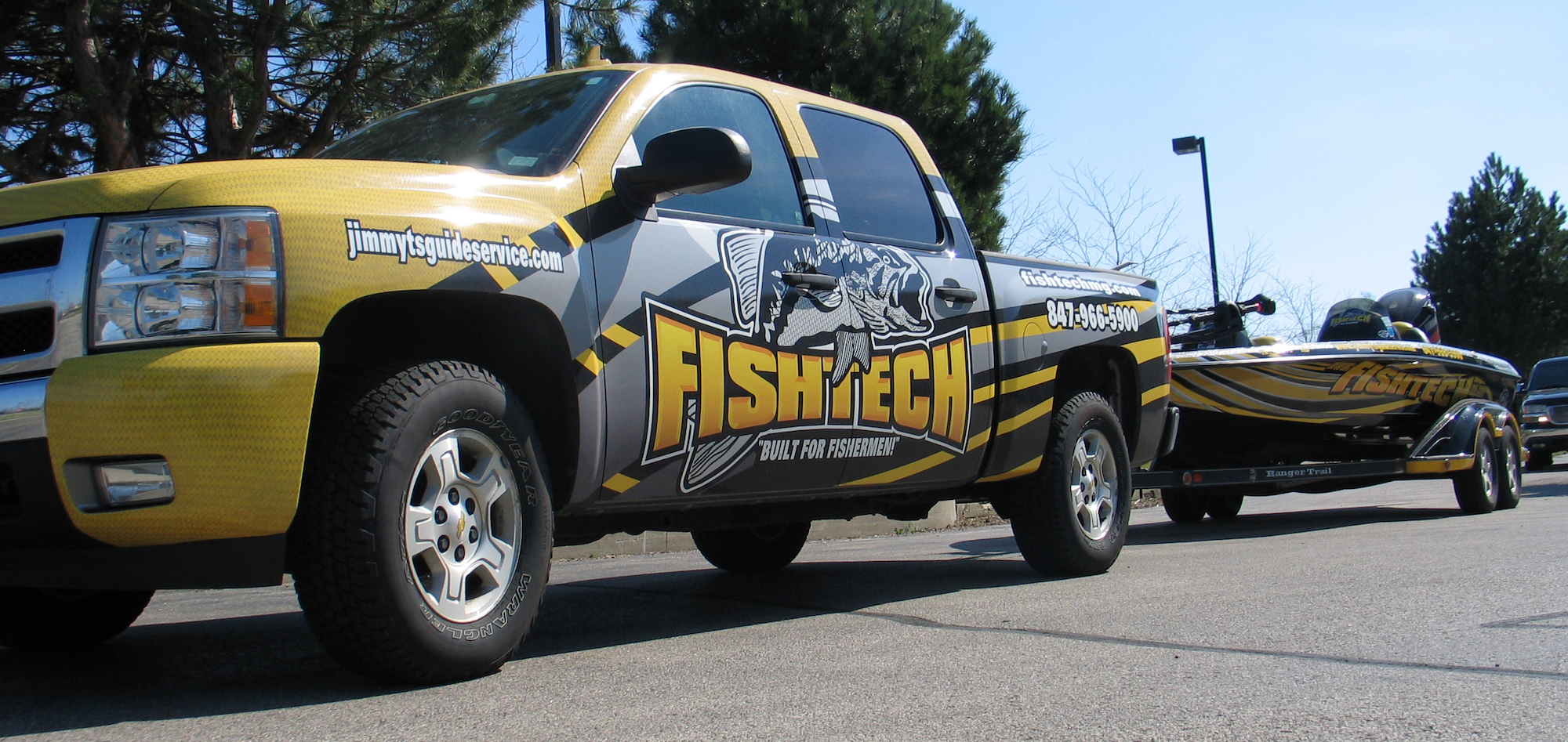
Partial wraps cost less because you’re only covering specific sections. A hood, roof, or door wrap might run $500 to $2,500 depending on coverage. If you just need basic lettering or decals for your work truck, you’re looking at the lower end. Full custom graphics with multiple colors and intricate designs sit at the higher end.
Chicago and suburban pricing tends to run slightly higher than rural Illinois due to labor costs and overhead. But we often offer better value than downtown Chicago while still delivering the same quality materials and certified installation.
Vehicle Wrap Pricing by Size and Type

A compact sedan needs about 50-55 feet of vinyl. That translates to roughly $2,500 to $4,000 for a full wrap with quality materials. Sedans are the most affordable to wrap because they have less surface area and fewer complex curves than larger vehicles.
Mid-size SUVs and crossovers jump to $3,200 to $5,000. You’re using more vinyl, and the installation takes longer because of the additional panels, wheel wells, and body lines. Full-size trucks and large SUVs can hit $3,800 to $6,200. The bed alone on a pickup adds significant square footage, and wrapping around truck beds, tailgates, and extended cabs requires more precision work.
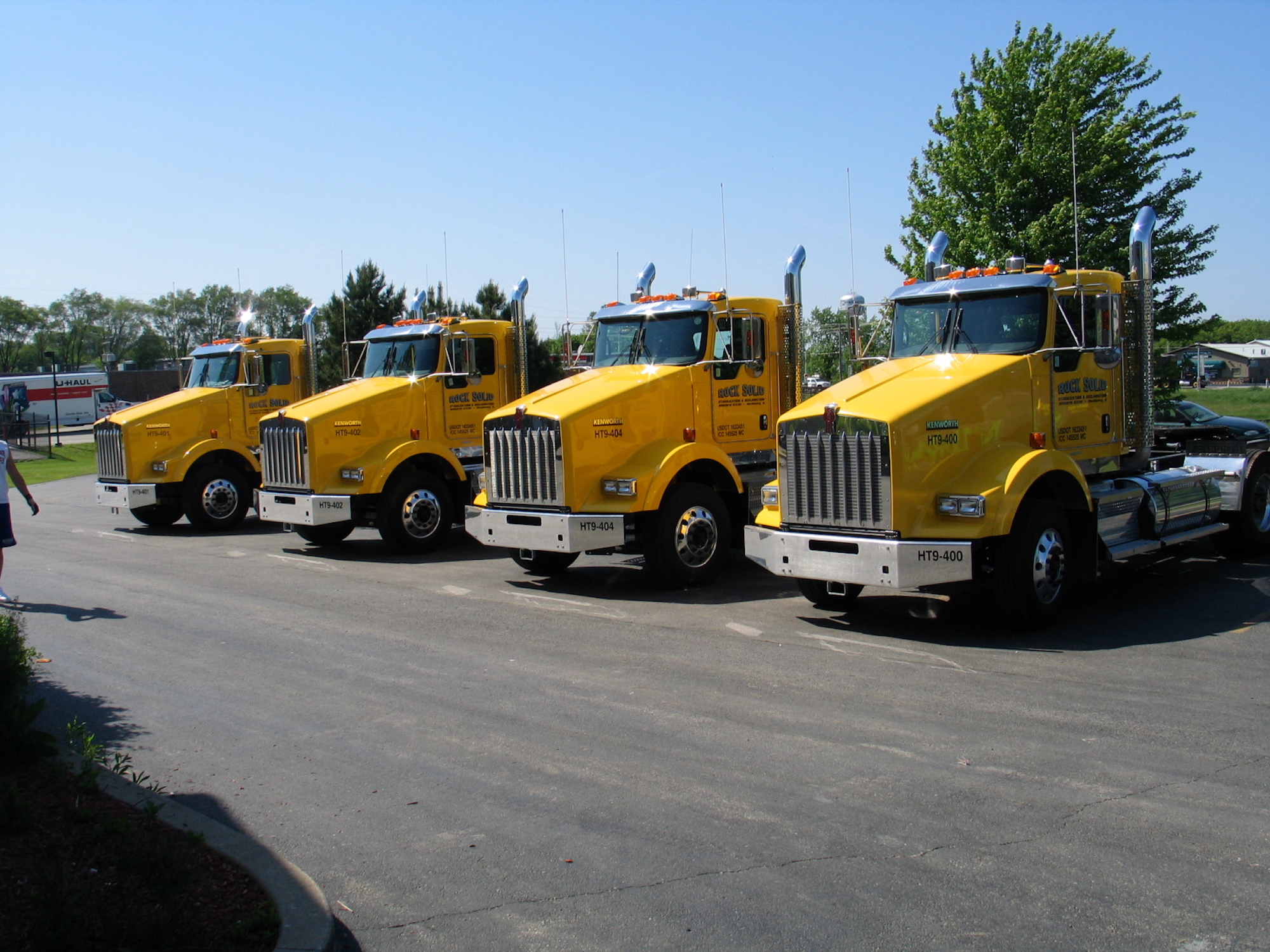
Vans and commercial vehicles vary widely based on size. A standard cargo van might cost $3,000 to $5,500, while a full-size Sprinter or box truck could run $4,000 to $7,000. Fleet pricing helps if you’re wrapping multiple vehicles at once. We offer package discounts that reduce the per-vehicle cost when you’re doing three or more at the same time.
Luxury and exotic vehicles cost more not because of the vinyl, but because of the complexity. Cars with aggressive body lines, carbon fiber accents, and intricate curves take more time and skill to wrap cleanly. Expect to add $1,000 to $3,000 to the base price for high-end vehicles that demand perfectionist-level work.
What Affects Car Wrap Costs in Illinois
Material quality is the biggest cost driver after vehicle size. Premium cast vinyl from manufacturers like 3M and Avery Dennison costs more than cheaper calendered vinyl, but it lasts longer and looks better. Cast vinyl conforms to curves without bubbling, resists fading for 5-7 years, and removes cleanly when you’re ready for a change. Cheaper vinyl might save you $500 upfront, but it often starts peeling or fading within 2-3 years.
Design complexity affects labor costs directly. A solid color wrap is straightforward. The installer measures, cuts, and applies. Custom graphics with logos, text, images, and multiple colors require design work, precise alignment, and more installation time. Every color transition or graphic element adds complexity. If you need custom design services, expect to add $200 to $500 for professional design work before installation even starts.
Surface preparation can add hidden costs if your vehicle isn’t wrap-ready. Vinyl doesn’t hide dents, deep scratches, or peeling paint. It actually highlights them. If your vehicle needs paint correction, dent repair, or rust treatment before wrapping, that prep work runs $200 to $1,000 depending on condition. We tell you this upfront during inspection, not after you’ve committed.
Installation quality determines whether your wrap lasts 3 years or 7 years. Certified installers with 3M or PDAA credentials charge more per hour, but they know how to handle difficult curves, avoid bubbles, and create seamless edges. Poor installation shows immediately in visible seams, trapped air, and edges that start lifting within months. The labor difference between a mediocre installer and a certified professional might be $500, but the quality difference is worth every dollar.
Car Wrap Price vs Paint Job Costs
You’re weighing wraps against paint because you want to know which gives you more value. A quality paint job in Illinois runs $6,000 to $10,000 for premium work. Basic paint jobs exist for $1,500 to $3,000, but they’re single-stage paint with minimal prep work. They look decent from ten feet away and start showing flaws within a year.
Wraps cost less upfront and offer flexibility paint can’t match. You can change your vehicle’s look in 1-3 days instead of waiting weeks for paint to cure. If you don’t like the color in two years, you peel it off and try something else. Paint is permanent. Once it’s on, you’re committed or you’re paying for another full paint job to change it.
The protection factor tilts toward wraps for most situations. Vinyl shields your original paint from UV damage, minor scratches, and road debris. When you remove the wrap years later, your factory paint looks showroom fresh. That matters for resale value, especially on leased vehicles where you need to return the car in original condition.
Long-Term Value and Durability Comparison
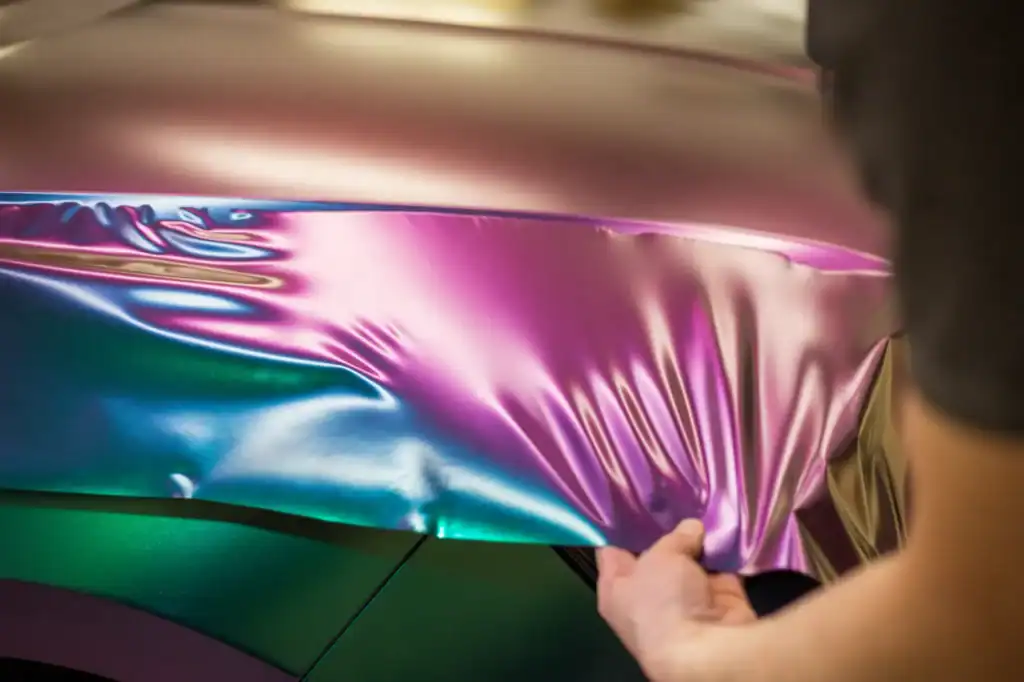
High-quality wraps last 5-7 years with proper maintenance. That’s hand washing every couple weeks, parking in shade when possible, and avoiding automatic car washes with harsh brushes. The vinyl resists fading because premium materials include UV inhibitors. Minor scratches often disappear with heat. The wrap protects what’s underneath while looking sharp for years.
Paint lasts longer in raw years, but it requires more maintenance. You’re waxing every few months, touching up chips, and dealing with oxidation over time. A premium paint job can last 10-15 years if you baby it, but most people don’t maintain paint at that level. Real-world paint jobs start showing wear around year 5-7 anyway, which puts them in the same practical lifespan as wraps.
Cost per year tells the real story. A $4,000 wrap lasting 6 years costs about $665 annually. An $8,000 paint job lasting 10 years costs $800 annually. The wrap wins on annual cost, plus you get the flexibility to change it whenever you want. For business vehicles, the advertising value makes wraps even more cost-effective. Your vehicle generates impressions every time it’s on the road, turning your transportation into a marketing asset that pays for itself.
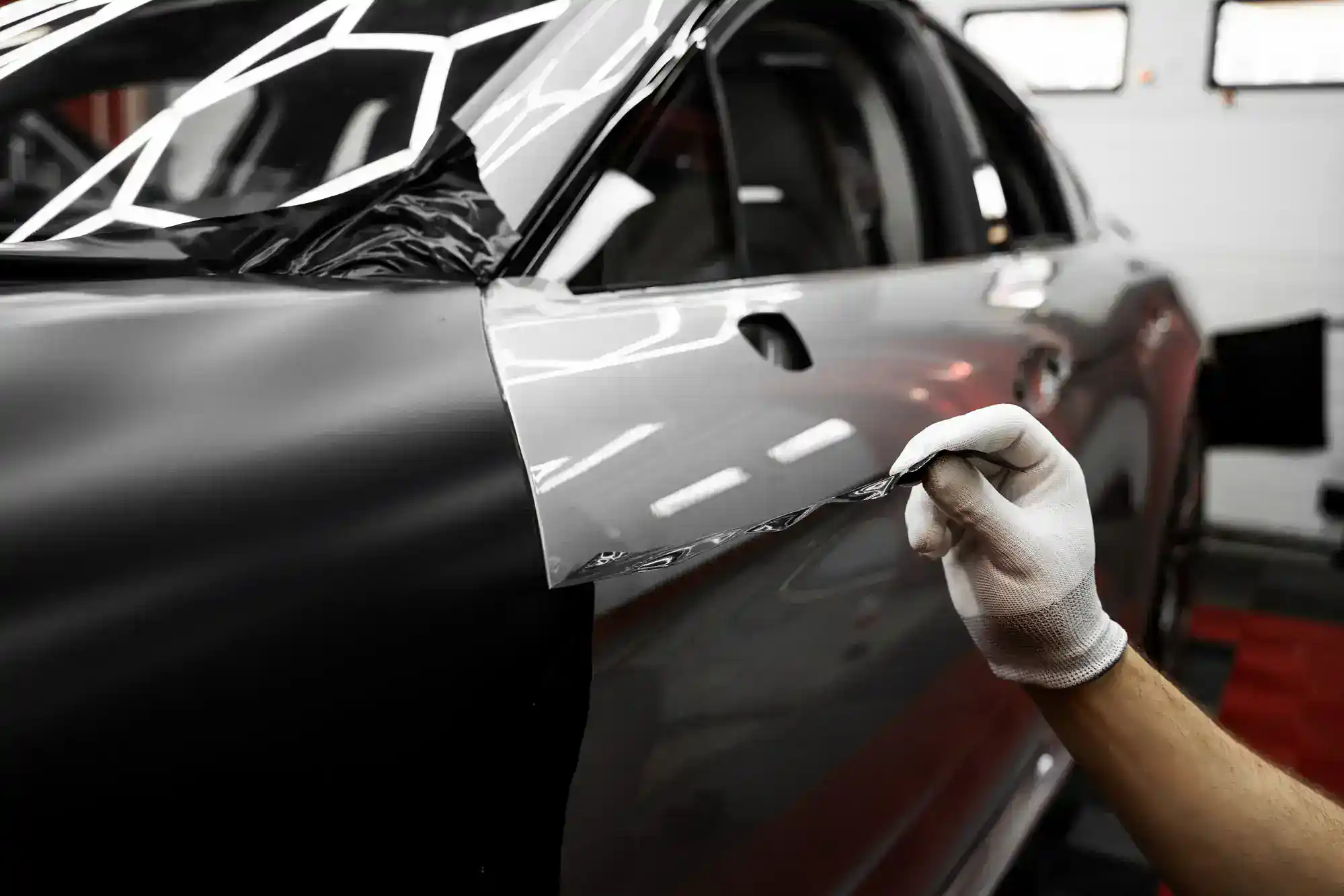
Removal costs matter too. When your wrap reaches end of life, professional removal runs $500 to $600. You can then rewrap with a fresh design or return to original paint. Paint doesn’t have that option. Once you paint, you’re stuck with it unless you paint again.
Wrap Cost Calculator: Estimating Your Project
Start with your vehicle type. Sedans and coupes sit at the low end of the range. SUVs and trucks fall in the middle. Vans and commercial vehicles hit the high end. That gives you your baseline before any other factors.
Add for material quality. If you want premium 3M or Avery vinyl that lasts the full 5-7 years, budget toward the higher end of your vehicle’s range. If you’re okay with mid-grade vinyl for a 3-5 year lifespan, you can save $500 to $1,000. Never go with the cheapest vinyl unless this is a temporary wrap you plan to remove within a year.
Factor in design complexity. Solid color wraps cost less than custom graphics. If you need logos, text, or printed images, add $500 to $2,000 depending on how intricate the design gets. Simple company name costs less than full vehicle graphics with photos and multiple design elements.
Account for prep work if your vehicle needs it. Inspect your paint honestly. If you see rust, deep scratches, or peeling clear coat, you’ll need prep work before wrapping. Budget an extra $200 to $800 for surface correction. Some shops include basic prep in their quote, others charge separately. Ask upfront so you’re not surprised.
Illinois weather considerations don’t typically add cost, but they affect longevity planning. Harsh winters with road salt and hot summers with intense UV mean your wrap faces more stress than vehicles in milder climates. Premium materials handle Illinois weather better, which makes the quality upgrade worth it for long-term value.
Making the Right Wrap Investment
You now know what drives wrap costs and how to budget for your project. Vehicle size sets your baseline. Material quality determines how long it lasts. Design complexity affects labor costs. And prep work adds to the total if your vehicle needs it.
The shops that give you straight answers about pricing from the start are the ones worth your time. If someone won’t discuss price ranges until you’re sitting in their office, that’s a red flag. Transparent pricing means they’re confident in their value and they respect that you’re doing research before committing.
Quality matters more than saving a few hundred dollars. A cheap wrap that starts peeling in 18 months costs more in the long run than a premium wrap that looks sharp for 6 years. Work with certified installers who use top-tier materials and stand behind their work. We’ve been delivering perfectionist-level wraps in Northern Illinois for over 20 years, with the certifications and in-house capabilities to handle everything from single vehicles to full fleets.