Summary:
You’ve probably noticed the pricing all over the map. One shop quotes $3,200. Another says $6,500. A third won’t give you a number until you “come in for a consultation.” Meanwhile, you’re just trying to figure out what a quality box truck wrap should actually cost without getting taken advantage of or ending up with a wrap that starts peeling in six months. The truth is, the vehicle wrap industry has a transparency problem, and it’s costing business owners time, money, and trust. Here’s what you actually need to know about box truck wrap costs and how to compare local providers in a way that protects your investment.
What Actually Drives Box Truck Wrap Pricing
Box truck wrap costs aren’t arbitrary. The range you’re seeing—typically $2,500 to $5,000 for a full wrap in the McHenry County area—comes down to measurable factors that directly impact how long your wrap lasts and how good it looks.
Truck size matters most. A 16-foot box needs significantly less material and labor than a 26-footer. Surface area translates directly to vinyl footage, printing costs, and installation hours. Simple math, but many shops don’t break this down clearly.
Material quality creates the biggest cost variation. Cast vinyl from manufacturers like 3M or Avery costs more than calendared vinyl, but it lasts 5-7 years instead of 2-3. It conforms better to curves, resists fading, and doesn’t shrink back over time. Cheaper material saves you money upfront and costs you double when you’re replacing the wrap two years early.
How to Find the Nearest Car Wrap Shop That Won't Cut Corners

Finding a car wrap shop nearby is easy. Finding one that won’t compromise your investment takes more work. Proximity matters for accountability, but quality matters for longevity.
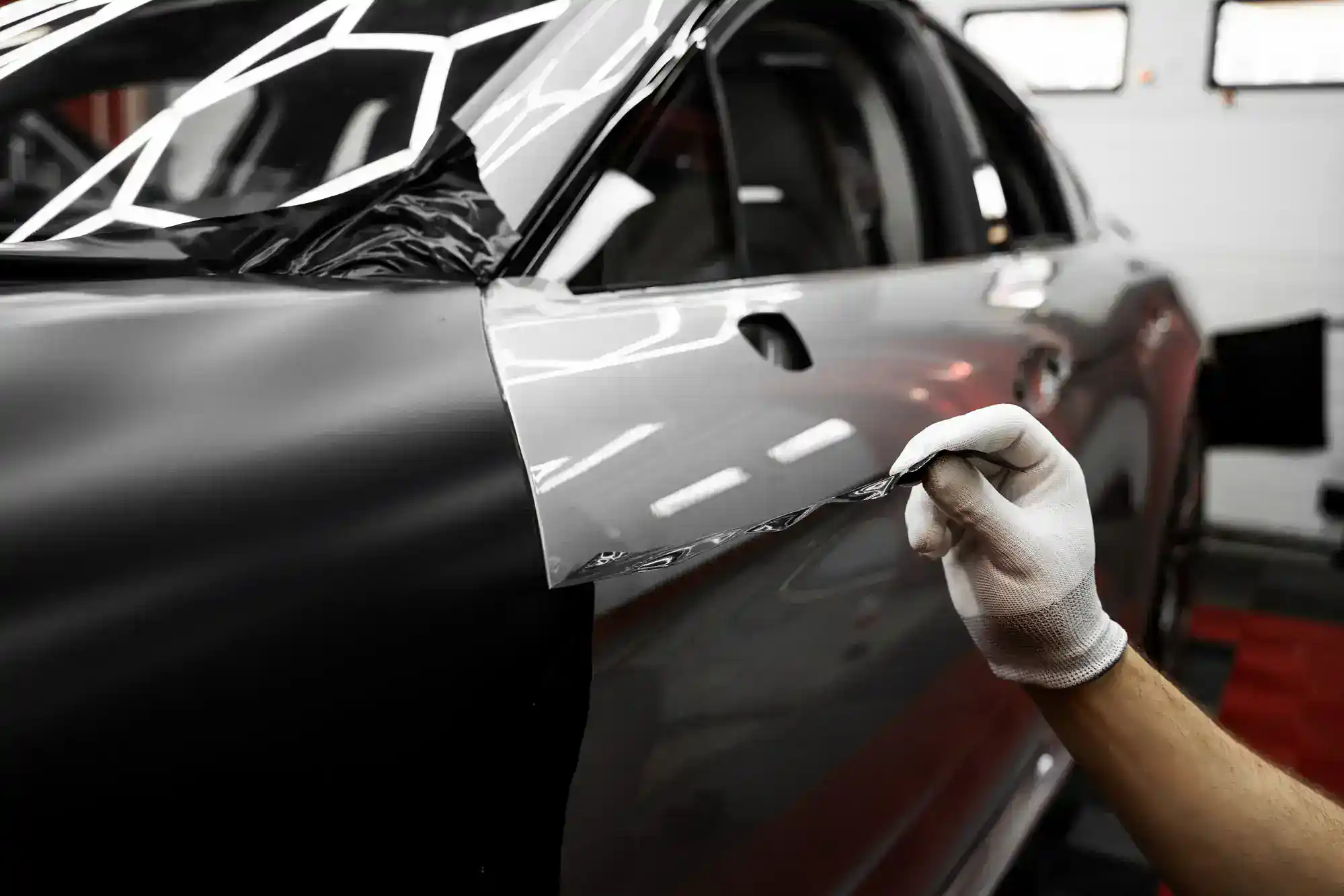
Start with certifications. Shops certified by 3M, Avery Dennison, or PDAA have gone through manufacturer training on proper installation techniques. They’re not just watching YouTube videos and winging it. These certifications mean the installer knows how to handle complex curves, apply proper heat, and avoid the bubbling and lifting that plague amateur installations.
Check their commercial portfolio specifically. A shop that wraps sports cars beautifully might struggle with a box truck’s rivets, corrugated surfaces, and roll-up doors. You want to see examples of commercial fleet work, not just personal vehicle color changes. Ask how many box trucks they wrap per month. If the answer is “a couple,” you’re talking to someone who doesn’t specialize in what you need.
Look for in-house operations. Shops that outsource design, printing, or installation introduce delays and quality control gaps. When everything happens under one roof, there’s no finger-pointing when something goes wrong. You talk to the same people who design, print, and install your wrap. That continuity matters when you need adjustments or have questions six months down the line.
Ask about their process for surface preparation. Professional installers will explain how they clean, degrease, and inspect your truck before applying vinyl. If they skip over this or make it sound simple, that’s a red flag. Proper prep takes time, but it’s the difference between a wrap that adheres for years and one that starts peeling at the first car wash.
Request references from commercial clients. Residential car wraps and commercial fleet wraps are different animals. Talk to business owners who’ve used the shop for trucks, vans, or trailers. Ask about timeline accuracy, communication quality, and how the wrap held up after a year of daily use.
Material Quality: Why the Cheapest Quote Usually Costs More
The $2,400 quote sounds tempting until you understand what you’re actually getting. Low-cost wraps almost always use calendared vinyl, which is designed for flat surfaces and short-term applications. It works fine for temporary signage. It fails on commercial vehicles that see daily use, weather exposure, and frequent washing.
Cast vinyl costs more because it’s engineered differently. The manufacturing process creates a thinner, more flexible film that conforms to complex curves without stretching or distorting. It holds color better under UV exposure. The adhesive is formulated for long-term bonding, not just quick stick. When you’re wrapping a box truck with rivets, seams, and irregular surfaces, cast vinyl is the only material that makes sense.
Here’s the math that matters. A calendared wrap might save you $1,500 upfront, but if it fades and peels in two years instead of lasting five, you’re paying for two wraps in the timeframe you should have gotten one. Add in the downtime of having your truck re-wrapped, the lost advertising impressions while it’s in the shop, and the frustration of dealing with a failed investment, and that “savings” evaporates quickly.
Lamination is another cost factor people skip. Unlaminated prints are cheaper, but they’re vulnerable to scratches, fading, and chemical damage from road salt and cleaning products. A quality laminate adds a protective layer that extends the wrap’s life and keeps colors vibrant. It’s not optional if you want your wrap to still look professional in year three.
The other hidden cost in cheap wraps is installation quality. Shops charging bottom-dollar prices are either cutting material costs, rushing installation, or both. Rushed installation means bubbles, wrinkles, and improper edge sealing. Those aren’t just cosmetic issues. They’re failure points where moisture gets under the vinyl and starts the peeling process. Fixing those problems costs more than paying for quality installation from the start.
Comparing Local Vehicle Wrap Companies: What to Ask
You’ve narrowed down your options to a few local vehicle wrap companies. Now you need to compare them in a way that reveals quality differences, not just price gaps. The right questions separate professionals from amateurs.
Ask for itemized quotes. A professional quote breaks down design costs, material costs, labor hours, and any additional services like old wrap removal or surface repair. If a shop gives you one lump number with no explanation, you can’t compare it meaningfully to other quotes. You’re comparing apples to mystery fruit.
Find out who’s actually doing the work. Some shops present themselves as full-service but outsource installation to contractors. That’s not necessarily a dealbreaker, but you need to know. Outsourced work means less quality control, potential scheduling delays, and unclear warranty coverage if something goes wrong.
Installation Timeline and What It Reveals About Quality

A box truck wrap installation typically takes 8 to 22 hours depending on truck size, design complexity, and surface condition. If a shop promises to wrap your 24-foot box truck in four hours, they’re either cutting corners or don’t understand the job.
Professional installation can’t be rushed. Surface preparation alone takes several hours. The truck needs to be thoroughly cleaned, degreased, and inspected for rust or damage. Any contaminants left on the surface will prevent proper adhesion. Installers need time to work methodically, applying vinyl in sections, using heat guns to conform material around curves and rivets, and ensuring every edge is properly sealed.
The design phase is equally time-consuming. Good designers don’t just slap your logo on a template. They consider how graphics wrap around corners, how text reads from different angles, and how to maximize visibility while the truck is in motion. They account for door handles, hinges, and other obstacles. They create mock-ups so you can see exactly what you’re getting before anything goes to print. This process takes days, not hours.
When a shop gives you a timeline, ask what’s included. Does it account for design revisions? What happens if they find surface damage that needs repair? Is the timeline contingent on your truck being clean when you drop it off? Understanding these details prevents the frustration of a project that drags on because assumptions weren’t clear upfront.
Be wary of shops that promise same-day or next-day turnaround. That’s possible for simple lettering or partial wraps, but not for full box truck wraps with custom graphics. Rush jobs sacrifice quality. You’ll see it in the finish, and you’ll regret it when the wrap starts failing prematurely.
Evaluating Vehicle Branding Companies for Commercial Expertise
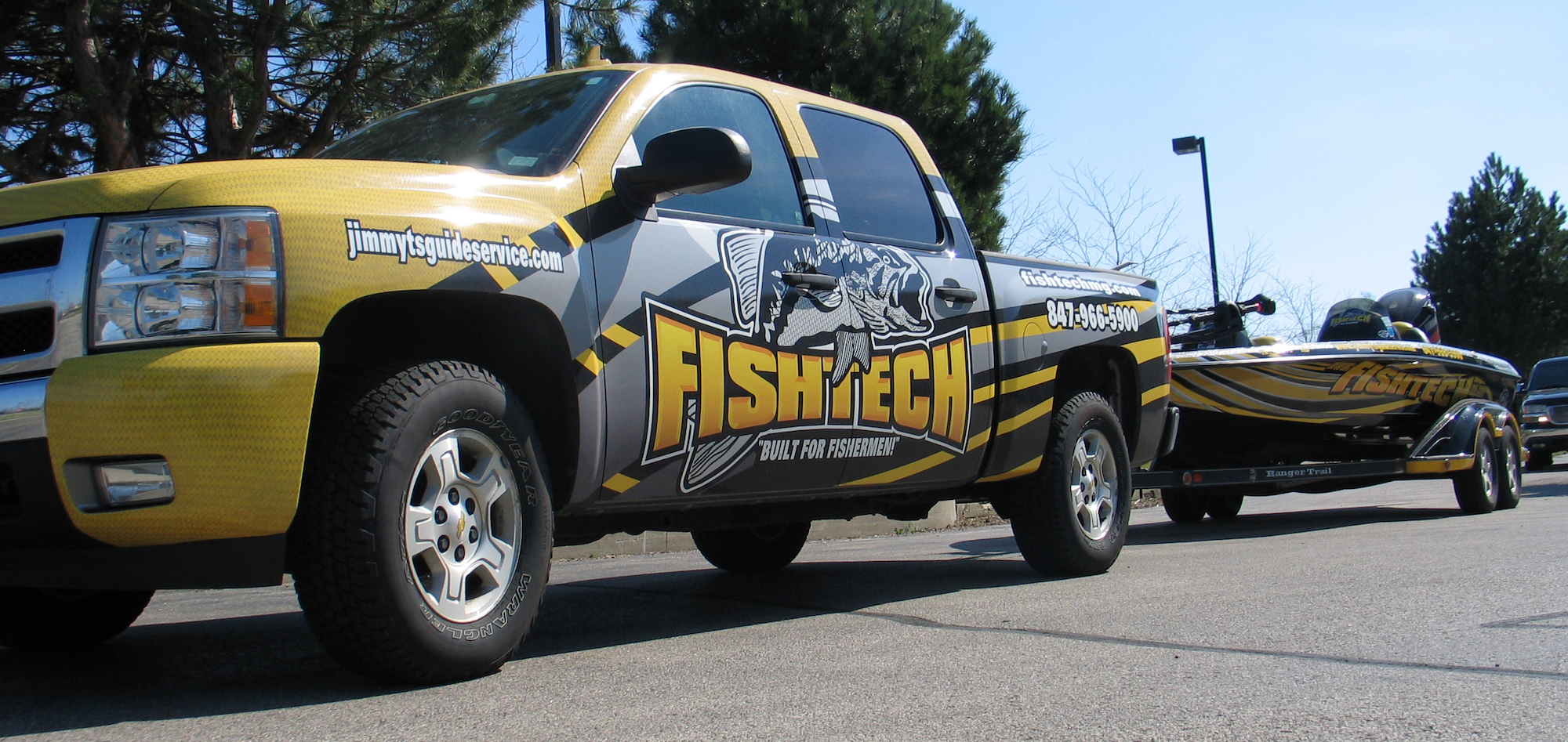
Not all vehicle branding companies understand commercial needs. There’s a significant difference between wrapping a personal car for aesthetics and wrapping a fleet vehicle for business advertising. The priorities are different. The durability requirements are higher. The design approach has to account for readability at highway speeds, not just Instagram photos.
Commercial expertise shows up in how a company talks about your goals. A good commercial wrap provider asks about your target audience, your service area, and what action you want people to take when they see your truck. They understand that your wrap is a marketing tool, not just decoration. They’ll advise you on font sizes that remain readable from 60 feet away, color combinations that stand out in traffic, and graphic layouts that work with your truck’s proportions.
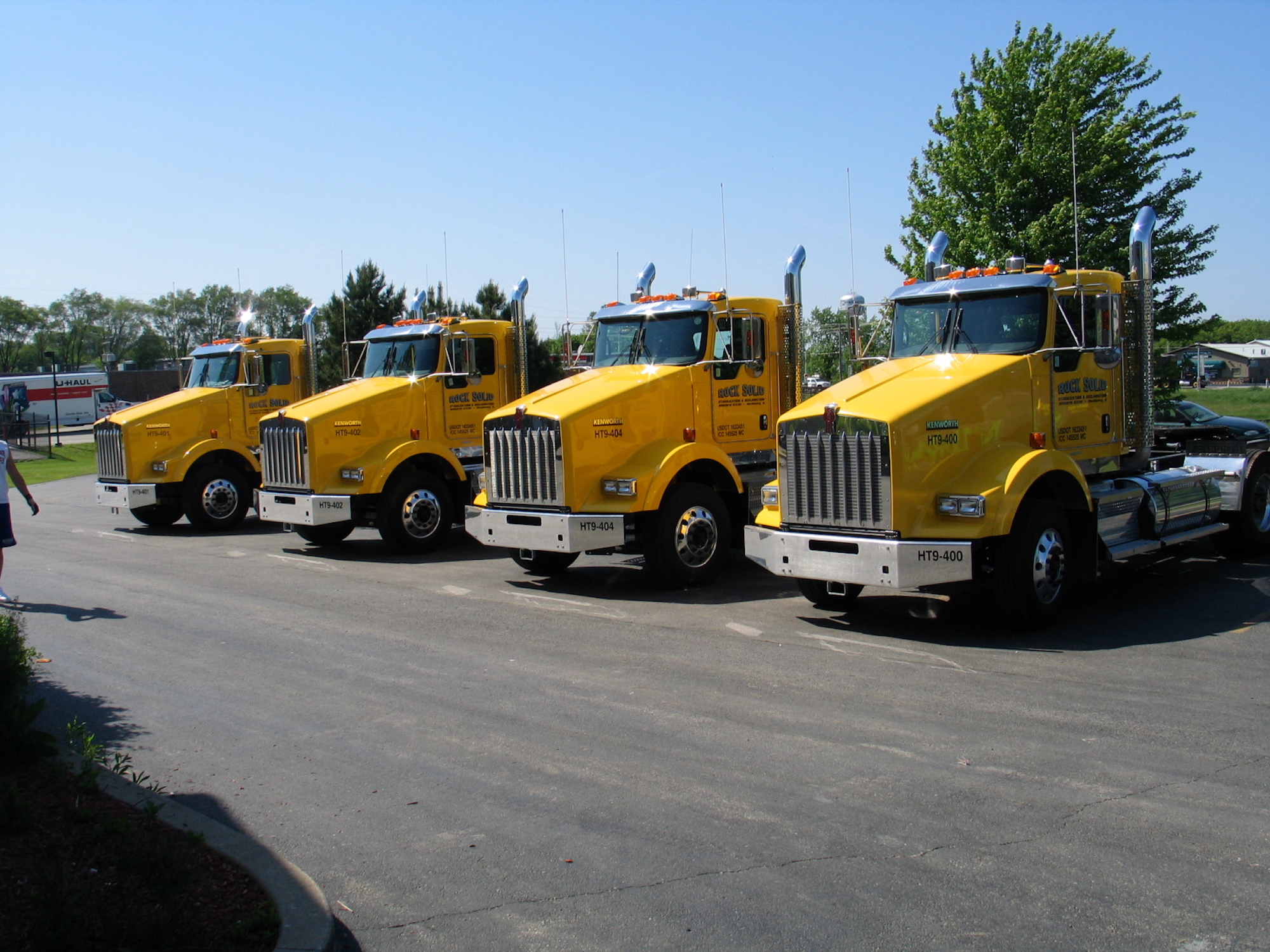
Fleet experience is a strong indicator. Companies that regularly wrap multiple vehicles for the same client have systems in place for consistency, efficiency, and volume pricing. They understand the logistics of scheduling multiple trucks without disrupting your operations. They can coordinate installations so you’re not losing your entire fleet to the wrap shop for a week.
Ask about their warranty and what it covers. Professional installers stand behind their work with warranties that cover installation defects like bubbling, peeling, or lifting. They don’t cover damage from accidents or abuse, but they do cover failures that result from improper installation or material defects. If a shop won’t offer a warranty, that tells you they’re not confident in their work.
Check how they handle revisions and corrections. Even with detailed planning, sometimes a wrap doesn’t look quite right once it’s on the truck. Professional companies will make adjustments to ensure you’re satisfied. They’ll redo sections if necessary. They understand their reputation depends on your satisfaction, not just on getting the job done and moving to the next customer.
Look at their communication style throughout the quoting process. Are they responsive? Do they answer questions clearly? Do they provide updates without you having to chase them down? The way a company communicates before you hire them is the way they’ll communicate during and after the project. If they’re hard to reach or vague in their responses now, that won’t improve once they have your money.
Making the Right Choice for Your Box Truck Wrap Investment
Box truck wraps deliver exceptional ROI when done right. They generate tens of thousands of daily impressions, cost a fraction of traditional advertising, and last for years with proper care. But those benefits only materialize if you choose quality over convenience and transparency over vague promises.
The cheapest quote is rarely the best value. The shop that can’t explain their pricing probably doesn’t have pricing worth explaining. The installer who promises perfection in half the time their competitors quote is promising something they can’t deliver. You’re investing in a mobile billboard that represents your business every day. That investment deserves careful consideration.
When you’re ready to move forward with a box truck wrap in the McHenry County area, look for a provider who combines technical expertise with transparent communication. We’ve been delivering that combination for over 20 years at Road Rage Designs, with 3M and PDAA certifications, in-house operations, and a commitment to quality that includes redoing work at our cost if it doesn’t meet standards. Your truck is your business card on wheels. Make sure it’s representing you the way you deserve.