
Summary:
You’ve decided to wrap your business vehicles. Smart move—vehicle wraps generate thousands of daily impressions and turn every drive into a marketing opportunity. But before you commit to that design, there’s a reality you need to face: Illinois commercial vehicle regulations don’t care how good your wrap looks if it’s not compliant.
The good news? Compliance isn’t complicated when you know what actually matters. You don’t need a law degree to understand the rules—you just need someone to cut through the noise and tell you what applies to your situation. This guide does exactly that, covering Illinois state requirements, federal DOT standards, and local considerations for McHenry County businesses. Let’s make sure your investment stays legal and your vehicles stay on the road.
Vehicle Wrap Laws Illinois Overview
Illinois doesn’t have a single “vehicle wrap law” you can point to and call it done. Instead, compliance comes from understanding how existing vehicle codes, safety regulations, and federal standards apply to wrapped commercial vehicles.
The Illinois Vehicle Code governs equipment requirements, visibility standards, and registration rules. Then you layer in federal DOT requirements if your vehicles cross state lines or exceed certain weight thresholds. Add local ordinances that might affect where and how you can display commercial advertising, and you’ve got the full picture.
Most business owners get tripped up because they treat wraps as purely aesthetic decisions. But the moment vinyl goes on a commercial vehicle, it becomes subject to the same rules as any other vehicle modification. That means ensuring your wrap doesn’t obstruct legally required elements, doesn’t mislead other drivers, and doesn’t change your vehicle’s appearance so drastically that your registration becomes inaccurate.
What Makes a Vehicle Wrap Compliant in Illinois

Compliance starts with visibility. Your wrap cannot obstruct windows, mirrors, lights, or license plates—period. Illinois law requires clear sightlines for the driver and visible identification for law enforcement and other motorists.
That means your front windshield stays mostly clear except for a non-reflective tint on the top six inches. Side windows and rear windows need to meet minimum visibility standards, and your mirrors must remain unobstructed. If your wrap design creeps onto these areas, you’re setting yourself up for citations during traffic stops or vehicle inspections.
License plates present another common compliance issue. Illinois requires both front and rear plates to be fully visible and legible. No tinted covers, no vinyl overlays, no creative framing that blocks even part of the plate number. Your wrap design needs to work around these plates, not incorporate them into the design.
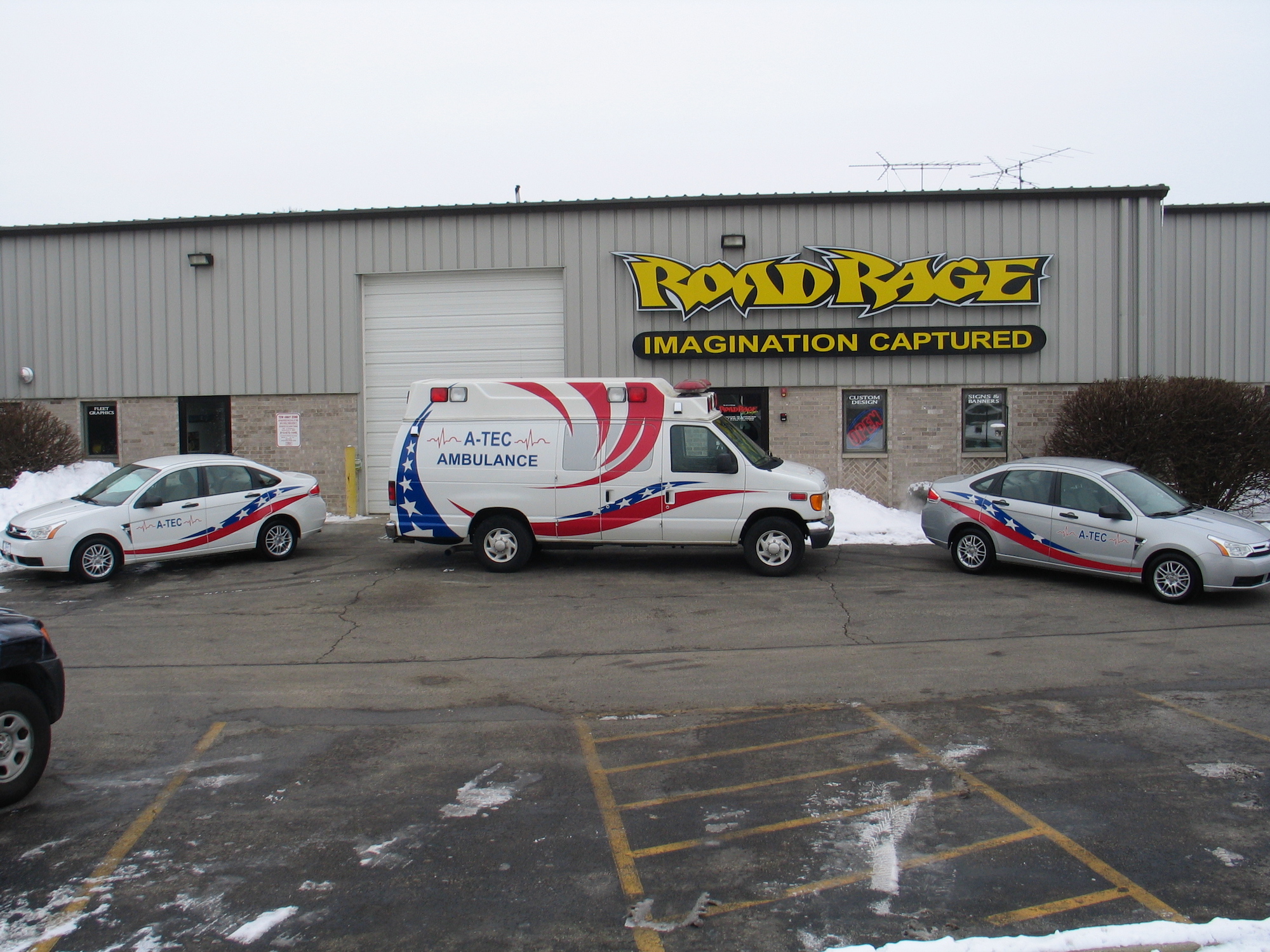
Color and reflectivity matter more than most people realize. Certain reflective materials can be confused with law enforcement or emergency vehicles, making them prohibited for civilian use. The same goes for color schemes that mimic police cars, fire trucks, or ambulances. You can’t wrap your delivery van to look like it has lights and sirens, even as a joke. The state takes vehicle identification seriously, and violations can result in fines and mandatory wrap removal.
Material quality affects compliance too. Your vinyl needs to fit properly without loose edges, bubbles, or flaps that could obscure vision or come loose while driving. Professional installation isn’t just about aesthetics—it’s about ensuring the wrap stays put and doesn’t create safety hazards as it ages.
Registration requirements kick in when your wrap changes your vehicle’s color significantly. If your white cargo van becomes a bright blue branded billboard, Illinois Secretary of State regulations may require you to update your vehicle registration to reflect the new color. Not every wrap triggers this requirement, but color-change wraps typically do. Failing to update your registration can complicate insurance claims, traffic stops, and vehicle identification if your truck is stolen.
Business Vehicle Wrap Permits and Notifications
Most business vehicle wraps in Illinois don’t require special permits just for the wrap itself. You’re not getting a permit to apply vinyl graphics to your truck. However, certain situations do trigger notification or registration requirements that you need to handle.
If your wrap changes your vehicle’s color by more than a certain percentage, you may need to notify the Illinois Secretary of State. This isn’t about getting permission—it’s about keeping your vehicle registration accurate. When law enforcement runs your plates and the system says you drive a white van but you’re actually driving a red one, that creates problems. Update your registration to match your wrapped vehicle’s new appearance.
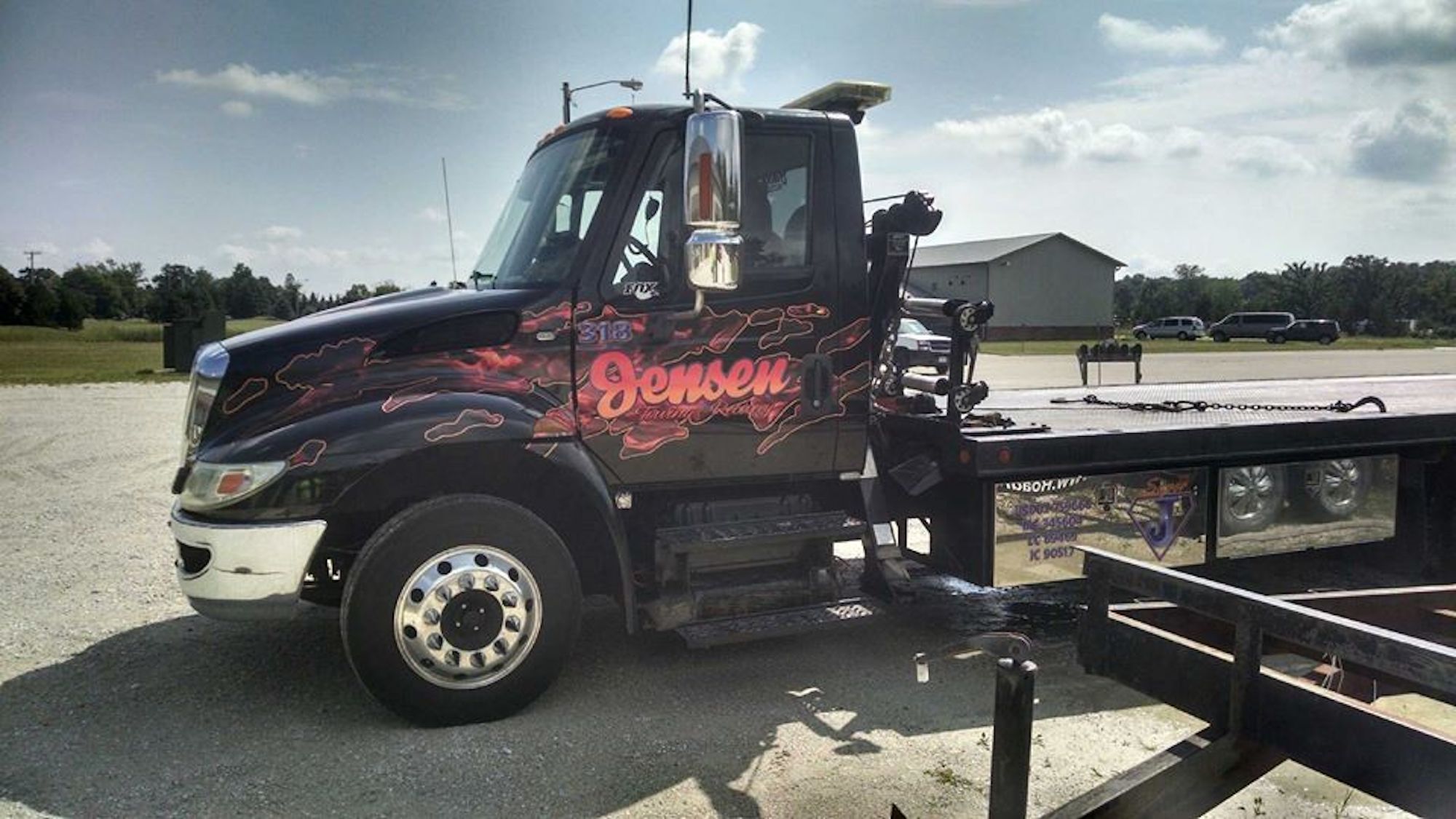
Commercial vehicle identification falls under different rules. If you’re operating a commercial motor vehicle, you need proper markings regardless of whether you have a wrap. This includes your company name and USDOT number if federal regulations apply to your operation. Your wrap design needs to incorporate these required elements, not replace them.
Insurance notification is critical but often overlooked. Your insurance policy describes your vehicle based on its appearance and modifications. When you wrap a vehicle, you’re modifying its exterior. Most insurers require notification of modifications to maintain coverage. If you don’t tell your insurance company about your wrap and later file a claim, you could face denied coverage or policy cancellation. The cost of that wrap suddenly becomes much higher if your insurer refuses to pay out after an accident.
Local ordinances in McHenry County and surrounding areas don’t typically restrict vehicle wraps specifically, but they may regulate commercial vehicle parking or mobile advertising in certain zones. If you plan to park your wrapped fleet vehicles in residential areas or near schools, check local codes to ensure you’re not violating parking restrictions for commercial vehicles.
Some municipalities have rules about vehicles used primarily for advertising versus vehicles used for business operations that happen to have advertising. A van you drive to job sites with your company logo is different from a van you park strategically as a mobile billboard. Know which category your vehicles fall into and whether local regulations affect where you can park them.
Illinois Commercial Vehicle Regulations for Fleet Wraps
Fleet vehicles face additional compliance layers because they often fall under federal Department of Transportation regulations. If your vehicles exceed 10,001 pounds gross vehicle weight rating, transport hazardous materials, or operate in interstate commerce, federal DOT rules apply on top of Illinois state requirements.
The most visible requirement is USDOT number display. These numbers must appear on both sides of your commercial vehicle in letters at least two inches tall, in a color that contrasts with the background, and readable from 50 feet during daylight. Your wrap design must incorporate these numbers properly—you can’t hide them in your graphics or make them blend into your color scheme.
Company name or trade name must also be displayed on both sides of the vehicle. This goes hand-in-hand with your USDOT number and serves the same purpose: clear identification of who operates the vehicle. Your wrap can make this look professional and branded, but it can’t make it invisible or illegible.
DOT Compliance for Wrapped Commercial Vehicles

Federal Motor Carrier Safety Administration regulations govern commercial vehicle markings, and these rules don’t bend just because you have a beautiful wrap design. Your graphics need to work with these requirements, not against them.
Lettering height, color contrast, and placement are all specified. Two-inch minimum height for USDOT numbers and company names. Contrasting colors that ensure 50-foot visibility. Placement on both sides of the power unit, not on removable components like fuel tank covers or magnetic panels. These aren’t suggestions—they’re requirements that get checked during roadside inspections.
Reflective tape requirements apply to certain commercial vehicles, particularly trailers and trucks over specific lengths and weights. DOT-C2 reflective tape must be placed on the sides and rear of qualifying vehicles in specific patterns and colors. Your wrap can incorporate these elements, but it cannot replace them with non-compliant materials. The reflectivity standards are precise, and using decorative reflective vinyl instead of proper DOT-C2 tape will fail inspection.
Vehicle inspections in Illinois check for compliance with federal safety standards. If your wrap covers or obscures required safety equipment, reflective markings, or identification numbers, you’ll fail inspection. That means downtime for your vehicle, lost revenue, and the cost of modifying your wrap to meet standards. Getting it right the first time saves money and keeps your trucks working.
Interstate operations add complexity. If your Illinois-based fleet crosses into Wisconsin, Iowa, or Indiana, you’re subject to interstate commerce regulations. Your USDOT number becomes mandatory, and you need proper operating authority registered with FMCSA. Your vehicle wraps must display all required federal markings, not just Illinois state requirements.
The Illinois State Police conducts roadside inspections at weigh stations along major corridors including I-90, I-94, and other interstate routes. During these inspections, officers verify that your commercial vehicle markings are compliant, your registration matches your vehicle’s appearance, and your safety equipment isn’t obstructed. Violations can result in out-of-service orders that ground your vehicle until you fix the issues.
Wrapped Vehicle Compliance Checklist for Illinois Businesses
Staying compliant means checking specific elements before, during, and after your wrap installation. Start with your vehicle’s current status. Is your registration current? Does it accurately reflect your vehicle’s make, model, and color? If you’re changing the color with your wrap, plan to update your registration with the Illinois Secretary of State.
Check whether federal DOT regulations apply to your operation. Vehicles over 10,001 pounds GVWR, vehicles transporting passengers for compensation, and vehicles hauling hazardous materials all trigger federal requirements. If any of these apply, your wrap must include USDOT numbers and company names in compliant sizing and placement.
Review your wrap design for obstruction issues. Windows, mirrors, lights, and license plates must remain clear and functional. Your designer should know these requirements, but verify that your mockup doesn’t show vinyl covering legally required clear areas. Front and rear license plates need complete visibility with no covers, tints, or partial overlays.
Verify color and reflectivity compliance. Avoid designs that mimic emergency vehicles or use restricted reflective materials. If your industry uses specific colors (like utility companies or government contractors), make sure your wrap doesn’t create confusion with official vehicles.
Confirm material quality and installation standards. Professional installation using quality vinyl ensures your wrap doesn’t create safety issues as it ages. Bubbles, peeling edges, and loose sections can obstruct vision or become hazards. Working with certified installers who understand both the aesthetic and legal requirements protects your investment.
Document everything for insurance purposes. Take photos of your completed wrap, keep installation invoices, and notify your insurance carrier about the modification. This documentation proves the wrap’s value if you need to file a claim and demonstrates that you’ve maintained your vehicle properly.
Schedule regular inspections to catch compliance issues before they become citations. Check that your USDOT numbers remain legible as your wrap ages, verify that no peeling or damage has created obstructions, and ensure all required markings stay visible. Maintenance isn’t just about keeping your wrap looking good—it’s about staying legal.
Staying Compliant with Illinois Vehicle Wrap Regulations
Illinois commercial vehicle regulations exist to keep roads safe and vehicles identifiable. Your wrapped fleet can meet every requirement while still looking professional and driving marketing results. It just takes understanding what actually applies to your situation and working with installers who know the difference between creative freedom and legal boundaries.
The key takeaways: keep windows, mirrors, lights, and plates clear. Display required DOT markings if federal regulations apply. Avoid emergency vehicle colors and restricted reflective materials. Update your registration when wrap colors change significantly. Notify your insurance company about modifications.
When you need vehicle wraps that comply with Illinois regulations while maximizing your brand visibility, we bring 20 years of experience navigating these exact requirements for McHenry County businesses. Compliance doesn’t mean compromising on design—it means knowing how to make both work together.