
Summary:
You’re comparing quotes for a vehicle wrap and the prices are all over the place. One shop quotes $2,500, another wants $5,000, and someone on Facebook says they can do it for $1,200. The cheapest option is tempting, but you’ve heard horror stories about bubbling vinyl and damaged paint.
Here’s what most people don’t realize until it’s too late: the installer matters more than the material. You can buy the best 3M vinyl available and still end up with a wrap that fails in six months if it’s not installed correctly. On the flip side, a skilled installer with proper training can make a wrap last seven years and remove cleanly without touching your paint.
This isn’t about finding the fanciest shop or the lowest price. It’s about knowing what questions to ask and what red flags to watch for when you’re choosing someone to work on your vehicle.
What Professional Car Wrap Service Actually Includes
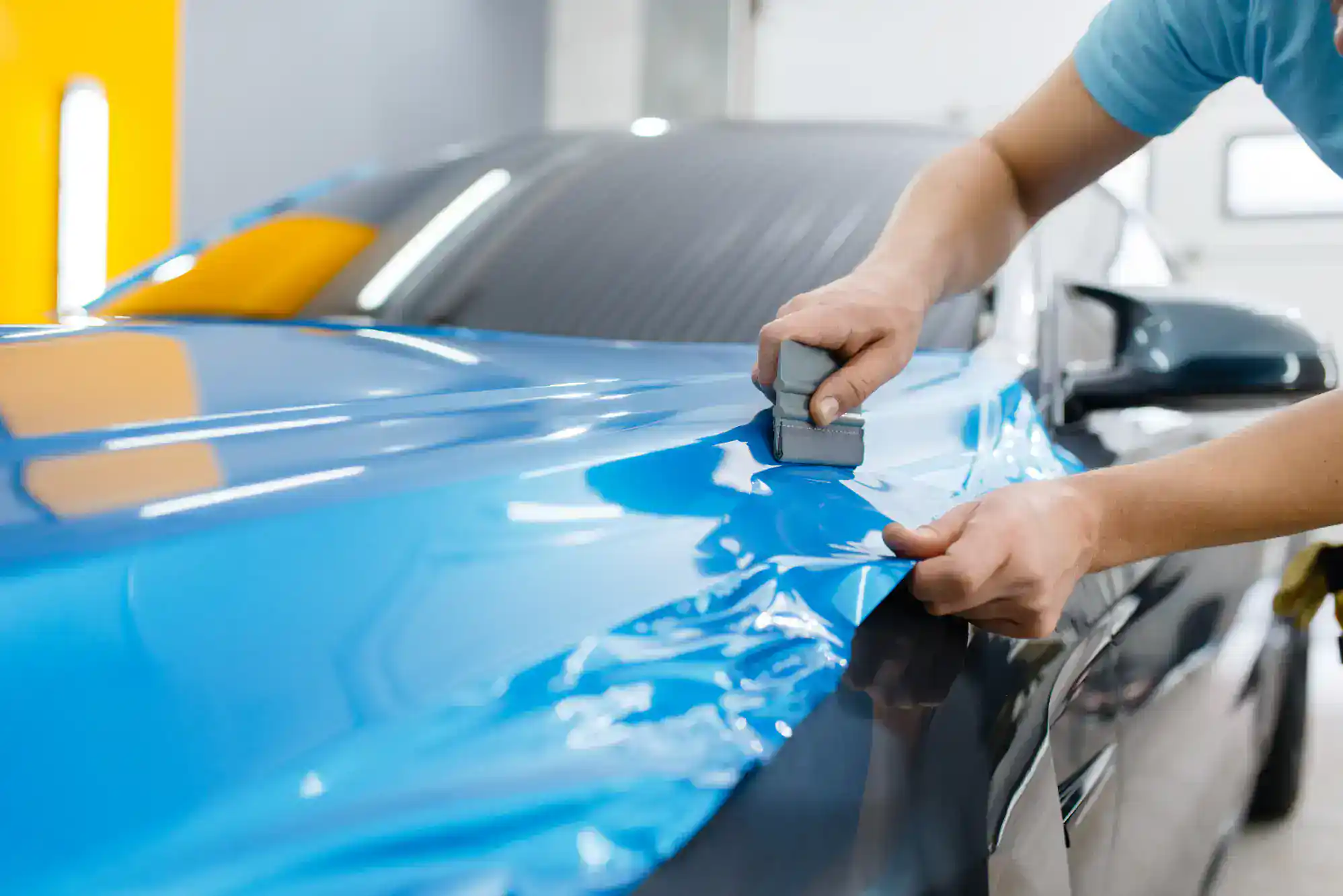
A real car wrap service does more than stick vinyl to your vehicle. The process starts days before installation with surface inspection and preparation. Professional shops evaluate your paint condition, identify any existing damage, and determine whether your vehicle is even a good candidate for wrapping.
The actual installation happens in a climate-controlled environment, not someone’s garage. Temperature and dust control matter because contaminants trapped under vinyl create permanent imperfections. Quality installers also dismantle parts of your vehicle—emblems, door handles, mirrors, trim pieces—to wrap edges properly rather than just wrapping over everything.
After installation, you should get written care instructions, a follow-up inspection schedule, and clear warranty documentation. Shops that rush you out the door the minute your wrap is finished usually aren’t planning to be around when problems show up three months later.
How Vinyl Wrap Companies Differ in Material Quality
Not all vinyl is created equal, and this is where a lot of shops play games with customers. They’ll say “we use 3M” or “we use Avery Dennison” without mentioning which product line. Both companies make premium cast vinyl designed for vehicles and cheaper calendered vinyl meant for flat surfaces like signs.
Cast vinyl conforms to curves, stretches properly around complex body lines, and removes cleanly after years of use. It costs more and requires skill to install correctly. Calendered vinyl is stiffer, doesn’t handle curves well, and often leaves adhesive residue when removed. A shop using calendered vinyl on your vehicle is cutting corners, plain and simple.
The difference shows up in longevity. Premium cast vinyl from 3M, Avery Dennison, or Hexis lasts 5-7 years in normal conditions. Budget vinyl might look okay for a year or two, then start fading, cracking, or peeling at the edges. In Illinois, where you’re dealing with intense summer sun, road salt, and temperature swings from below zero to over 90 degrees, material quality determines whether your investment lasts or fails early.
Ask specifically which product line they’re using. If they can’t or won’t tell you the exact series number, that’s a red flag. Reputable vinyl wrap companies know their materials and explain the differences clearly because they want you to understand what you’re paying for.
Quality materials also affect removal. When it’s time to take the wrap off—whether that’s because you’re selling the vehicle, returning a lease, or just want a new look—premium vinyl comes off cleanly. Cheap vinyl bonds too aggressively or breaks apart during removal, sometimes pulling paint with it. That’s not a risk worth taking to save a few hundred dollars upfront.
Vinyl Wrap Service Standards That Protect Your Paint
Your vehicle’s paint is worth protecting, and professional vinyl wrap service should enhance that protection, not compromise it. The biggest risk isn’t the vinyl itself—it’s what happens during installation and removal if the installer doesn’t know what they’re doing.
Proper surface preparation is non-negotiable. That means thorough washing, clay bar treatment to remove embedded contaminants, and solvent wiping to eliminate any wax, polish, or oils. Even microscopic particles trapped under vinyl create bubbles or cause the wrap to lift prematurely. Shops that skip prep steps to save time are setting you up for problems.
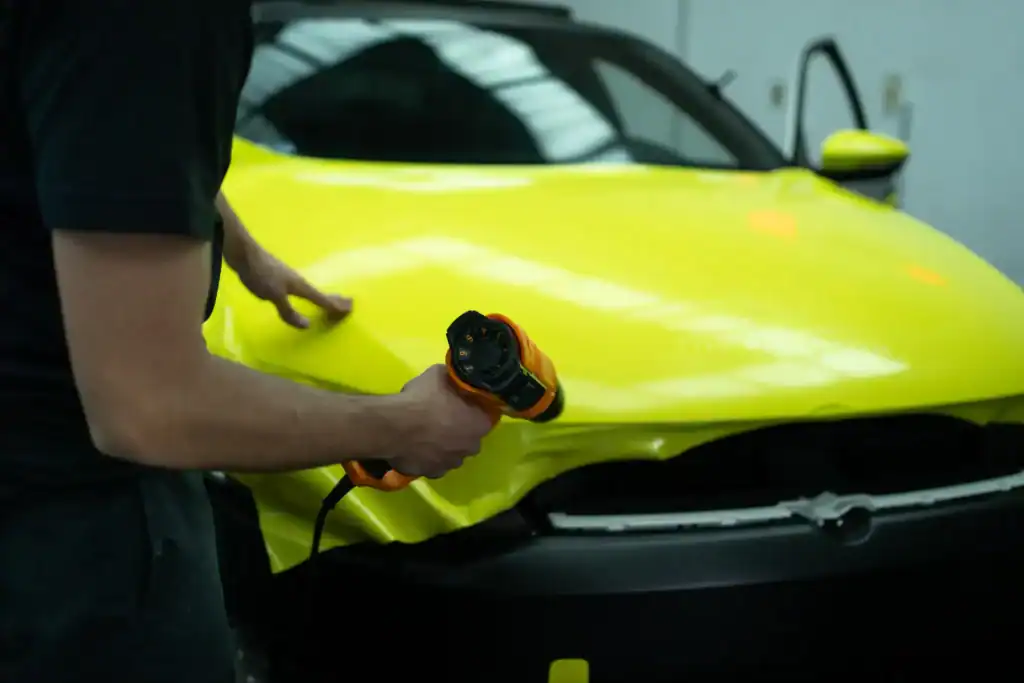
Heat application requires precision. Vinyl needs heat to conform and stretch, but too much heat damages your paint’s clear coat. Too little heat and the vinyl doesn’t adhere properly. Professional installers use infrared thermometers to monitor surface temperature and avoid overheating. They also know exactly how much tension to apply—overstretching vinyl causes it to shrink back over time, creating gaps and lifting edges.
Here’s something most people don’t think about: cutting technique. Vinyl has to be trimmed to fit panels, and inexperienced installers often cut directly on the vehicle surface. Every time that blade touches your paint, it leaves a mark. You won’t see it while the wrap is on, but when you remove the vinyl years later, you’ll find scratches and cut lines all over your paint. Professional installers use knifeless tape—a cutting filament that slices vinyl without ever touching your vehicle.
Edge finishing separates quality work from quick jobs. Edges need to be properly tucked, wrapped, and post-heated to prevent lifting. Corners and recessed areas require specific techniques to avoid tension points that cause vinyl to pull away. Shops that rush this step end up with wraps that start peeling within months, especially around door handles, mirrors, and panel gaps.
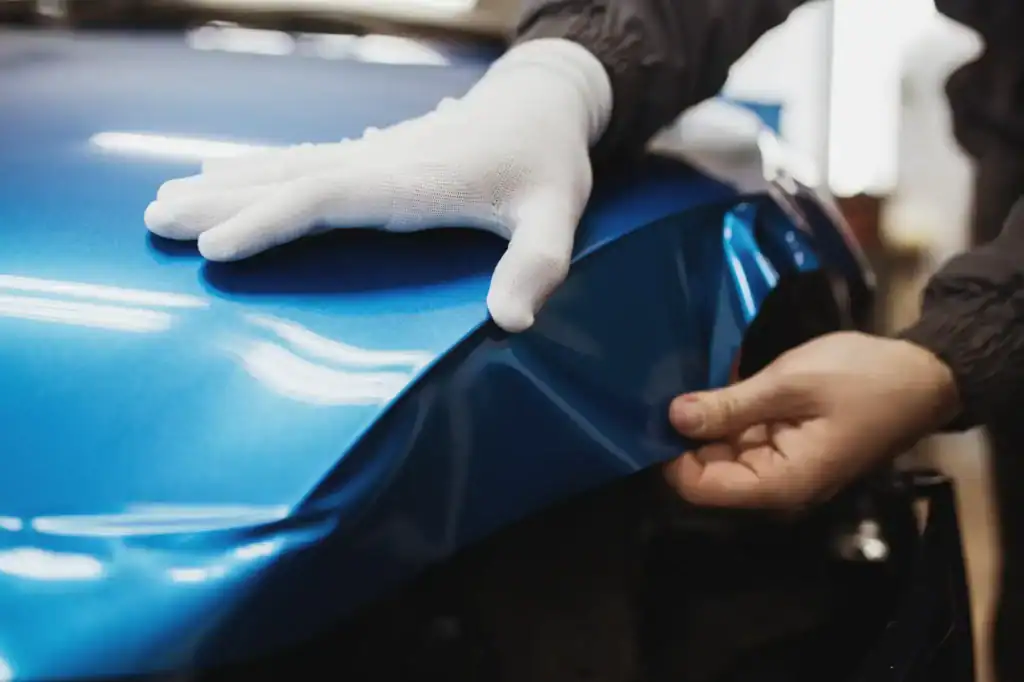
The removal process matters just as much as installation. When done correctly, vinyl should peel away cleanly, leaving your paint exactly as it was. Professional installers heat the vinyl to the right temperature, pull at the correct angle, and remove any adhesive residue with proper solvents designed for automotive use. DIY removal or hiring someone inexperienced often results in damaged paint because people either pull too aggressively or use the wrong chemicals.
Choosing a Wrap Installer: What Actually Matters
Certifications aren’t just marketing fluff—they prove an installer has received manufacturer training and passed competency tests. A 3M Preferred Installer designation means someone attended hands-on training courses and demonstrated proper installation techniques. Same with Avery Dennison’s CWI certification or PDAA credentials.
These certifications matter because manufacturers only warranty their materials when installed by certified professionals. If you hire an uncertified installer and the vinyl fails prematurely, the manufacturer won’t honor the warranty. You’re stuck paying for replacement materials and labor out of pocket.
Experience counts, but it needs to be relevant experience. Someone who’s been wrapping box trucks for ten years might struggle with the complex curves on a sports car. Ask to see examples of work on vehicles similar to yours. Check whether they have climate-controlled installation space, proper tools, and a systematic process rather than just winging it.
Questions to Ask Before Hiring a Vinyl Wrap Installer
Start with the basics: what certifications do they hold and can they show proof? Don’t just take their word for it—certified installers can provide documentation or you can verify their status through manufacturer websites. If they claim to be certified but can’t prove it, walk away.
Ask about their warranty structure. You should get two separate warranties—one from the material manufacturer covering defects in the vinyl itself, and one from the installer covering workmanship. Get both in writing. Vague promises about “we’ll take care of any problems” don’t mean anything when the shop won’t return your calls six months later.
Find out specifically which vinyl they plan to use, including the exact product line and series number. If they say “3M” without specifying whether it’s IJ180, 2080, or another series, push for details. Different products have different durability ratings, warranty periods, and price points. You deserve to know exactly what you’re getting.
Ask about their surface preparation process. A good installer will explain their cleaning and prep steps in detail because they understand how critical this is. If they brush off the question or say “we just clean it and wrap it,” that’s a sign they’re skipping important steps.
Request information about their installation environment. Is it climate-controlled? Dust-free? Large enough to fit your vehicle comfortably? Installation in an uncontrolled environment—like an open garage bay or outdoor space—introduces contamination risks that affect quality.
Discuss the timeline. Professional installation typically takes 1-3 days depending on vehicle size and wrap complexity. Be suspicious of anyone promising same-day turnaround on a full wrap—that’s not enough time to do it right. Similarly, if they want to keep your vehicle for two weeks, ask why the process is taking so long.
Finally, ask about post-installation support. Will they inspect the wrap after a few weeks to check for any settling or edge issues? Do they provide written care instructions? How do they handle warranty claims if problems develop? Their answers tell you whether they stand behind their work or disappear once they have your money.
Why the Cheapest Quote Usually Costs More
When you get quotes ranging from $1,500 to $5,000 for the same vehicle, something’s different beyond just profit margins. The lowest quote almost always involves compromises you won’t discover until it’s too late.
Budget shops cut costs by using cheaper vinyl. They might claim it’s “just as good” as premium brands, but calendered vinyl simply doesn’t perform like cast vinyl. It fades faster, doesn’t conform properly to curves, and often fails within a year or two. When you factor in the cost of removing the failed wrap and installing a replacement, you’ve spent more than if you’d hired a quality installer initially.
Labor shortcuts represent another common cost-cutting tactic. Minimal surface prep, skipping the disassembly of trim pieces, rushing the installation process, and inadequate edge finishing all save time but guarantee problems. Wraps installed this way start showing issues quickly—bubbling, lifting edges, visible seams, and poor adhesion in high-stress areas.
Some shops use adhesive promoter as a shortcut. This chemical increases vinyl adhesion, which sounds good until you try to remove the wrap. Promoter causes vinyl to bond so aggressively to paint that removal becomes nearly impossible without damaging your clear coat. Professional installers eliminate edge tension through proper technique instead of relying on chemical adhesion enhancers.
The real cost of cheap installation shows up over time. Your wrap fails prematurely, requiring replacement years earlier than expected. Or worse, removal damages your paint and you’re facing a costly repair or repaint job. That $1,500 “bargain” just cost you $3,000-$5,000 in fixes, plus the hassle and downtime.
Quality installation costs more upfront because it requires skilled labor, premium materials, proper facilities, and the time to do things correctly. But it’s actually the cheaper option when you calculate total cost of ownership over the wrap’s lifetime. A professionally installed wrap lasts 5-7 years, protects your paint, and removes cleanly. That’s value, not just price.
Making the Right Choice for Your Vehicle
Choosing a car wrap service comes down to understanding what quality looks like and being willing to pay for it. The lowest quote rarely represents the best value, and the fanciest marketing doesn’t guarantee competent installation. What matters is verifiable certification, proven experience, premium materials, and a warranty structure that protects your investment.
Your vehicle deserves an installer who treats it with the same care you do. Someone who takes time to prep surfaces properly, uses manufacturer-approved techniques, and stands behind their work when you need them. The difference between a wrap that lasts seven years and one that fails in eighteen months usually comes down to the installer’s skill and integrity, not the vinyl itself.
If you’re in McHenry County and looking for that level of quality, we’ve been delivering professional vehicle wrap installation for over 20 years at Road Rage Designs. We’re 3M and PDAA certified, family-owned, and committed to getting it right the first time.


