Summary:
How Paint Condition Directly Affects Your Vehicle's Resale Value
Buyers judge your car the second they see it. If the paint looks tired, faded, or chipped, they assume the rest of the vehicle was neglected too. That assumption costs you money at the negotiating table.
Research shows that paint damage reduces resale value by 10-20%. On a $30,000 vehicle, that’s $3,000 to $6,000 lost. Minor scratches and dents alone can drop your price by 10%. Faded paint? Up to 20% gone. Major scratches or visible rust? You’re looking at a 30% hit.
The numbers get worse when you factor in buyer behavior. Studies show 78% of used car buyers say exterior condition is a critical factor in their decision. If your paint doesn’t pass their visual inspection, they walk away or lowball you. Dealers do the same thing—they appraise based on what they see, and damaged paint triggers immediate deductions.
Why Factory Paint Condition Commands Higher Offers
Factory paint in excellent condition tells buyers one thing: this vehicle was cared for. It signals that you took ownership seriously, which builds confidence in everything they can’t see—the engine, the maintenance history, the way you drove it.
When buyers see pristine paint, they’re willing to pay more. Not because the paint itself is worth thousands, but because it proves the car hasn’t been beaten up by the elements or neglected over time. That perception is powerful. It shifts negotiations in your favor and attracts serious buyers who aren’t looking for project cars.
The reverse is also true. Chips, scratches, and fading suggest the opposite. Even if your car runs perfectly, visible paint damage makes buyers skeptical. They start wondering what else is wrong. They ask for inspections. They negotiate harder. And in many cases, they move on to the next listing.
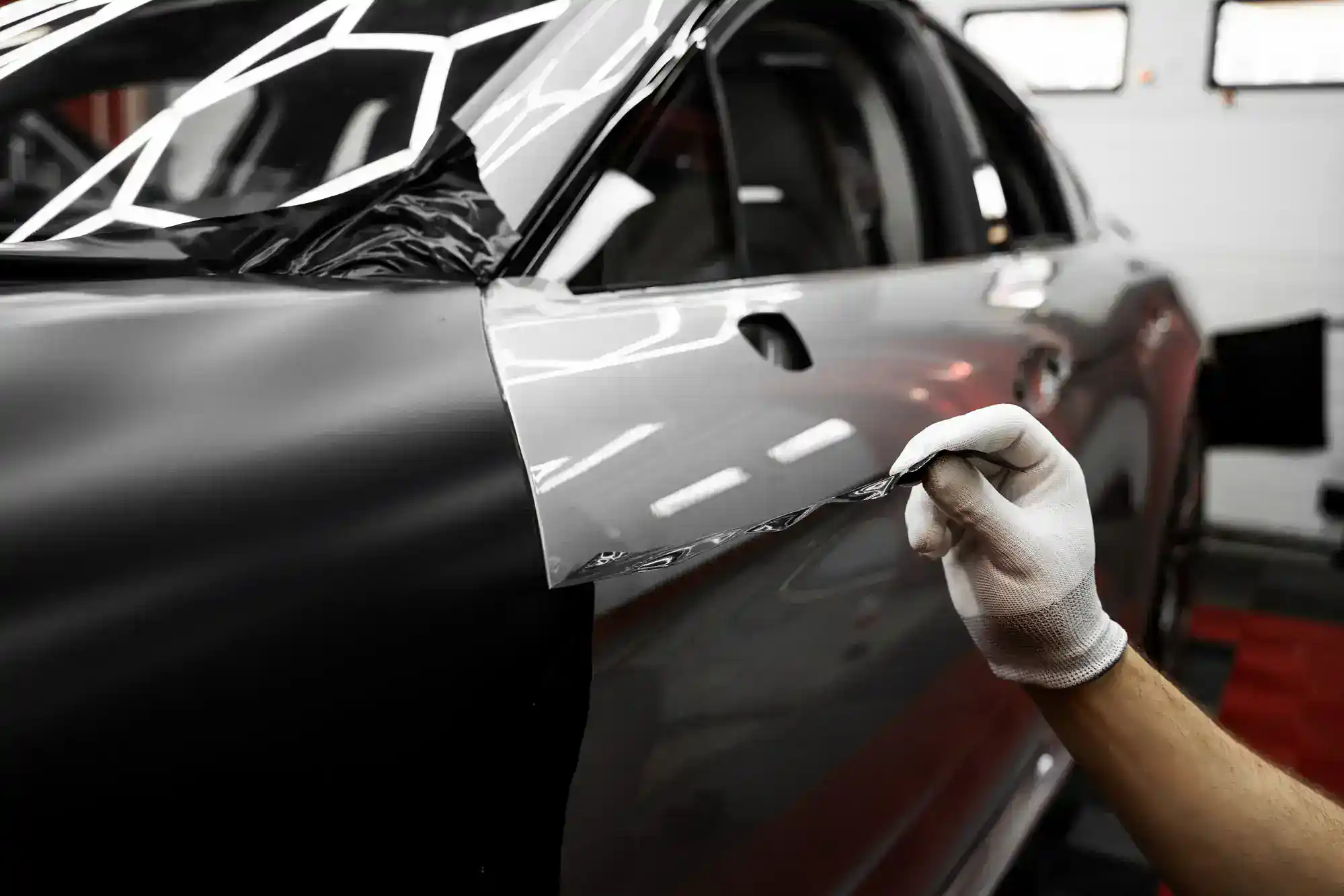
This is where vinyl car wraps make a measurable difference. A professionally installed wrap shields your factory paint from the damage that causes these problems in the first place. When it’s time to sell, you remove the wrap and reveal paint that looks nearly new. Buyers see a well-maintained vehicle. You see a higher offer.
The math is straightforward. Protecting your paint costs less than repairing it, and it preserves the value buyers are willing to pay. For anyone planning to keep their vehicle for more than a couple of years, that protection pays for itself at resale.
What Causes the Most Resale Value Loss in Illinois and Wisconsin
If you’re driving in McHenry County, IL, Lake County, IL, Racine County, WI, or Kenosha County, WI, your vehicle faces conditions that accelerate paint damage faster than almost anywhere else. Harsh winters, road salt, and temperature swings create the perfect storm for vehicle depreciation.
Road salt is the biggest culprit. It’s essential for safe driving, but it’s also highly corrosive. When salt accumulates on your paint, it absorbs moisture and eats away at the clear coat. Over time, this leads to rust, discoloration, and permanent damage. Once rust starts, there’s no reversing it without expensive bodywork.
UV exposure is the second major factor. Even in winter, sunlight causes fading and oxidation. Paint that’s been exposed to years of UV rays loses its depth and shine, making your car look older than it is. Buyers notice this immediately, and it impacts their perception of value.
Rock chips and debris do their damage too. Highway driving kicks up gravel that chips your paint, especially on the hood, bumper, and mirrors. Each chip exposes the metal underneath, creating entry points for moisture and rust. In a climate with freeze-thaw cycles, those small chips become bigger problems fast.
Faded paint tops the list of weather-related damage, affecting 78% of vehicles parked outdoors. Dead batteries, storm dents, and tire damage follow, but paint issues remain the most visible and costly. Nearly one in four drivers say local weather causes more harm than their driving habits.
For vehicle owners across northern Illinois and southern Wisconsin, this isn’t theoretical. It’s what happens when you park outside and drive through winter. The question is whether you’ll protect against it or pay for the damage later when you sell.
How Vinyl Car Wraps Protect Against Vehicle Depreciation
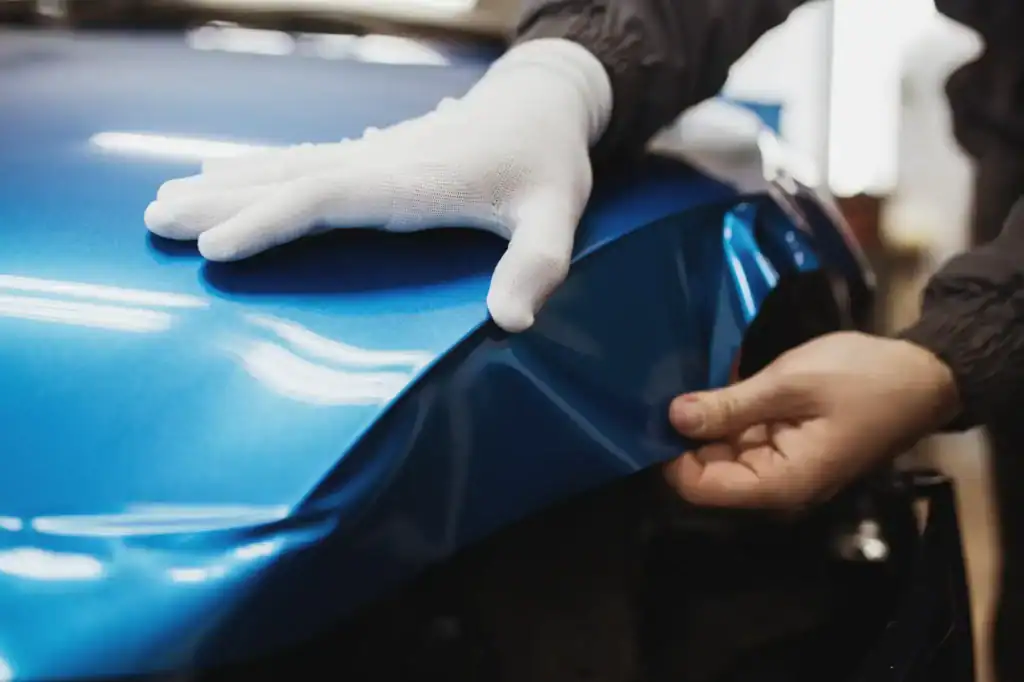
Vinyl wraps work because they create a barrier between your factory paint and everything trying to damage it. Road salt, UV rays, rock chips, bird droppings, tree sap—all of it hits the wrap instead of your paint. When you’re ready to sell, you remove the wrap and reveal a surface that’s been protected for years.
The protection is physical, not cosmetic. High-quality vinyl is thick enough to absorb impacts from debris and flexible enough to contour to your vehicle’s shape. It doesn’t chip, fade, or corrode the way paint does. And because it’s designed to be removable, it doesn’t alter your vehicle permanently.
This reversibility is a major advantage for resale. Buyers prefer vehicles with original factory paint in excellent condition. A wrap lets you preserve that paint while still protecting it from daily wear. When the wrap comes off, the paint underneath looks nearly new—sometimes better than vehicles half its age.
Vinyl Wraps vs. Paint Protection Film vs. Ceramic Coating Alternatives
You have options when it comes to protecting your vehicle’s paint. Vinyl wraps, paint protection film (PPF), and ceramic coating alternatives all serve similar purposes, but they work in different ways and offer different levels of protection.
Paint protection film is a clear, thick polyurethane layer applied to high-impact areas like the hood, bumper, and mirrors. It’s designed specifically for protection against rock chips and scratches. PPF is nearly invisible and often includes self-healing properties that smooth out minor scratches with heat. It’s an excellent choice if your primary concern is physical damage from debris. Full PPF coverage typically costs $4,000 to $8,000+, and color PPF (which changes your vehicle’s color while protecting it) runs $5,000 to $10,000+.
Ceramic coating is a liquid polymer that bonds to your paint and creates a hydrophobic, glossy layer. It makes your car easier to clean, enhances shine, and provides some UV protection. However, ceramic coatings don’t protect against rock chips or physical impacts. They’re more about maintaining appearance and making maintenance easier. Ceramic coatings are often applied on top of PPF or vinyl for added gloss and ease of cleaning.
Vinyl wraps sit in the middle. They offer solid protection against scratches, UV rays, road salt, and minor impacts—better than ceramic coating but not quite as impact-resistant as PPF. The key advantage of vinyl is customization and cost. A full vinyl wrap runs $2,500 to $7,000, making it more affordable than PPF while still providing meaningful protection. You can also change your vehicle’s color or finish, which isn’t possible with clear PPF or ceramic coating.
For resale value, vinyl car wraps offer the best balance. They protect your factory paint from the most common causes of depreciation—fading, scratching, and corrosion—while remaining fully reversible. When you remove the wrap, buyers see pristine original paint, which is exactly what they’re looking for.
Some vehicle owners combine solutions. For example, applying PPF to high-impact areas and vinyl wrap to the rest of the vehicle gives you maximum protection where it’s needed most. Others wrap their vehicle and then apply a ceramic coating on top of the vinyl for added gloss and easier maintenance. The right choice depends on your priorities, but for most people focused on resale value in the automotive aftermarket 2026 landscape, a professionally installed vinyl wrap delivers the protection you need at a price that makes sense.
What Professional Vehicle Wrap Installation Means for Resale Value
Not all wraps are created equal. The quality of installation directly impacts how well the wrap protects your paint and whether it can be removed cleanly when you’re ready to sell. A poorly installed wrap can cause more problems than it solves.
Professional installation starts with surface preparation. The vehicle is thoroughly cleaned, and any imperfections are addressed before the vinyl is applied. This ensures the wrap adheres properly and doesn’t trap dirt or moisture underneath. Installers with certifications from 3M, SGIA, or PDAA have been trained in proper techniques that prevent damage to your paint.
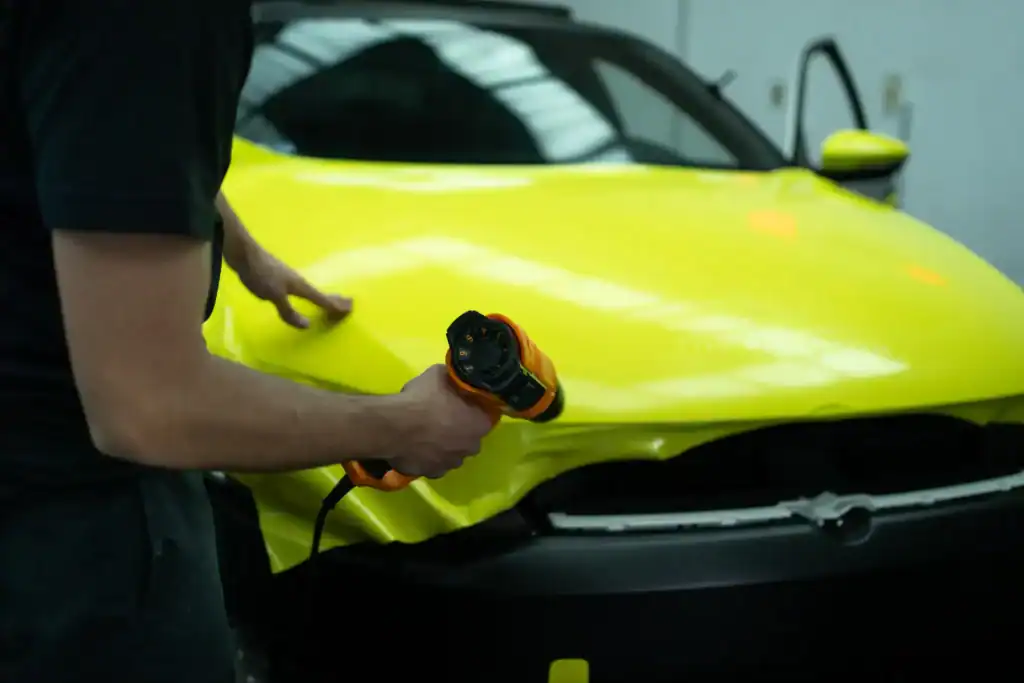
The application process matters too. Experienced installers know how to work with vinyl so it conforms to curves and edges without stretching, bubbling, or leaving gaps. They use the right tools and temperatures to activate the adhesive and ensure a secure bond. This attention to detail is what separates a wrap that lasts 5-7 years from one that starts peeling after a few months.
Removal is just as important as installation. When done correctly, a vinyl wrap comes off cleanly without leaving adhesive residue or damaging the clear coat. This is critical for resale. If the wrap is removed improperly—by someone who doesn’t know what they’re doing—it can pull off clear coat or leave sticky residue that’s difficult to remove. Buyers will notice this, and it will hurt your value.
We use high-quality vinyl from trusted brands. Materials from 3M, Avery Dennison, and XPEL are engineered to withstand UV exposure, temperature changes, and road salt without degrading. Cheap vinyl fades, cracks, and peels, which defeats the purpose of protecting your paint in the first place.
The cost difference between professional and DIY installation is significant, but so is the outcome. A professionally installed wrap protects your resale value. A DIY job or a cheap installation can actually harm it. If you’re wrapping your vehicle to preserve its value, the quality of the work matters as much as the decision to wrap it.
Making the Smart Investment in Your Vehicle's Future Value
Protecting your vehicle’s resale value isn’t about vanity. It’s about making a smart financial decision today that pays off when you’re ready to sell. Paint damage is one of the most common and costly forms of depreciation, and it’s also one of the most preventable.
Vinyl car wraps offer a proven way to shield your factory paint from the elements that cause the most damage—road salt, UV rays, rock chips, and environmental wear. They cost less than repainting, last for years with proper care, and can be removed to reveal pristine paint underneath. For vehicle owners in McHenry County, IL, Lake County, IL, Racine County, WI, and Kenosha County, WI facing harsh winters and corrosive road conditions, that protection is especially valuable.
The numbers speak for themselves. Vehicles with excellent paint condition command higher offers. Buyers are willing to pay more when they see a car that’s been cared for. And when you can show them factory paint that looks nearly new after years of ownership, you’ve proven that your vehicle is worth the price you’re asking. If you’re ready to protect your investment and preserve your car’s resale value, we can help you make it happen.