Summary:
You’re already paying for the vehicles. You’re already covering fuel, insurance, and maintenance. Your trucks are out there every day—driving routes, parked at job sites, sitting in traffic. But are they actually doing anything for your bottom line?
Most business owners treat their fleet like transportation. A few treat it like what it actually is: the most underutilized marketing asset they own. Fleet wraps change that equation. They turn every mile into measurable exposure, every job site into a billboard, and every service call into a branding opportunity. And unlike the ads you’re paying for month after month, a fleet wrap keeps working long after the initial investment.
Here’s what actually matters when you’re deciding whether wrapping your fleet makes financial sense.
What Makes Fleet Wrap ROI Different From Traditional Advertising
The math behind fleet wraps doesn’t work like other marketing. There’s no monthly bill. No cost-per-click. No wondering if anyone actually saw your ad.
A single wrapped vehicle generates between 30,000 and 70,000 impressions per day, depending on your routes and market density. That’s not a projection—it’s based on GPS tracking studies from organizations like the Outdoor Advertising Association of America. Over a year, one vehicle can produce millions of impressions in your exact service territory.
The cost per thousand impressions sits between $0.15 and $0.77. Compare that to billboards at $3.56, print ads at $19.70, or digital display ads that can run $20 or higher. The difference isn’t marginal. It’s exponential. And it compounds over the 5-7 year lifespan of a professionally installed wrap.
How Fleet Vehicle Wraps Stack Up Against Recurring Ad Spend
Most advertising requires continuous payment to maintain visibility. Stop paying, and your exposure disappears immediately. Radio ads, Google campaigns, billboard rentals—they all follow the same model. You’re renting attention.
Fleet a href=”https://roadragedesigns.com/vehicle-wraps/”>vehicle wraps flip that model. The investment happens once. Installation takes a few days. Then the wrap works for years without additional cost.
Let’s put real numbers to it. A full commercial van wrap typically costs between $3,500 and $5,000. That vehicle will generate conservative estimates of 30,000 impressions daily. Over five years, you’re looking at roughly 55 million impressions for that one-time cost. Break that down, and you’re paying about $0.00006 per impression.
Now compare that to a $2,000 monthly billboard rental. Over five years, you’d spend $120,000 for static placement in one location. Your wrapped van goes everywhere your business goes—residential neighborhoods, commercial districts, job sites, highways. It’s visible when parked. It’s working when your crew is inside a customer’s home. And when the job’s done, it keeps generating impressions on the drive back.
The ROI timeline for most businesses sits between three and six months. Some service companies—plumbers, electricians, HVAC contractors—report seeing measurable lead increases within 90 days. The difference comes down to route density and how often your vehicles are visible in the neighborhoods you serve.
Here’s what that looks like in practice. A plumbing company wraps five service vans for a total investment of $17,500. Those vans run daily routes through their service area in McHenry County. Within four months, the owner notices a consistent uptick in calls specifically mentioning “I saw your truck in my neighborhood.” By month six, the increased jobs have covered the wrap cost. Everything after that is pure return.
That’s not a best-case scenario. That’s typical for businesses where vehicles are already operating in their target market. The wrap doesn’t create new routes. It just makes the routes you’re already driving actually work for your marketing.
Why Business Truck Wraps Work Better for Local Service Companies
Not all businesses benefit equally from fleet wraps. The highest returns come from companies that operate in defined service territories and make regular stops in residential or commercial areas.
Service-based businesses—HVAC, plumbing, electrical, landscaping, pest control—have a built-in advantage. Your trucks aren’t just passing through. They’re parked in driveways for hours during service calls. They’re visible to neighbors who likely need the same services. They’re creating impressions among people who are geographically qualified leads.
That’s hyper-local marketing at work. A wrapped truck parked on a residential street isn’t just visible to passing traffic. It’s a temporary billboard in a neighborhood full of homeowners. Every person who walks their dog past your van, every neighbor who glances out their window, every car that drives by—those are potential customers seeing your brand in their immediate area.
Business truck wraps also solve a problem most local companies face: how to dominate a service area without spending a fortune. You can’t afford billboards in every town you serve. You can’t run radio ads in every zip code. But your trucks are already there. Wrapping them gives you saturation-level visibility without buying media in multiple markets.
The perception factor matters too. When potential customers see your branded fleet consistently—at job sites, on the road, in parking lots—it creates the impression of an established, successful company. That perception builds trust before the first phone call. It positions you as a known entity rather than just another name in a Google search.
Fleet wraps also strengthen word-of-mouth referrals. When a satisfied customer recommends your company, the person receiving that recommendation has likely already seen your trucks around town. That visual familiarity reinforces the referral and makes them more likely to call. You’re not starting from zero. You’re building on existing brand recognition that the wrap created.
For businesses in McHenry County, this advantage is amplified. The market sits in a concentrated area where service companies operate in overlapping territories. Your wrapped vehicles aren’t just visible—they’re repeatedly visible to the same potential customers. That repetition is what turns impressions into recognition, and recognition into calls.
Fleet Wrap Implementation: Vehicle Selection and Rollout Strategy
Getting fleet wraps right isn’t just about design and installation. It’s about rolling them out in a way that protects your operations while maximizing marketing impact.
Most businesses make the mistake of thinking they need to wrap the entire fleet at once. That creates unnecessary downtime and puts pressure on your schedule. A phased approach makes more sense. You wrap two or three vehicles at a time, keep the rest on the road, and rotate through the fleet over weeks or months instead of days.
This strategy does two things. First, it minimizes disruption. Your service capacity stays intact. Customers don’t wait. Revenue doesn’t drop. Second, it gives you a chance to validate the process. You see how long installation actually takes, confirm the design works on different vehicle types, and identify any adjustments before committing the full fleet.
Which Vehicles to Wrap First for Maximum Marketing Impact
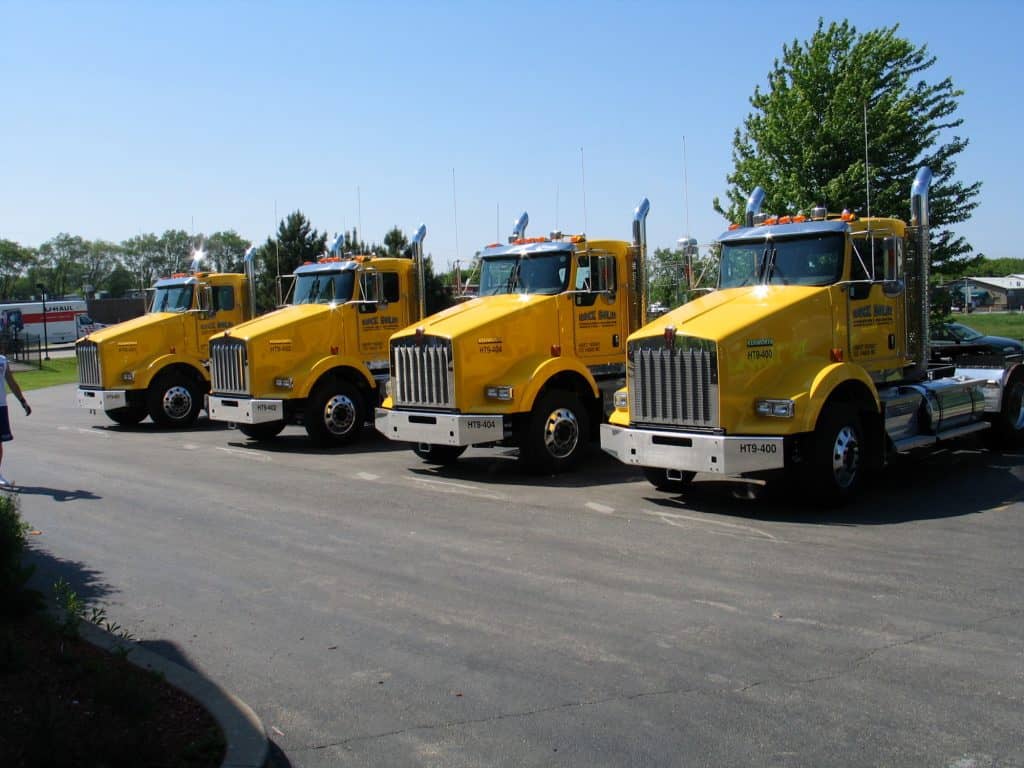
Not all vehicles in your fleet serve the same function. Some run full routes daily. Others work as backups or handle lighter duty. That difference matters when you’re planning your rollout.
Start with vehicles that have the highest visibility but the lowest operational criticality. If you have a backup truck that still gets decent road time, wrap that first. If you have a vehicle that handles overflow work or runs partial routes, that’s your test case. You get the marketing benefit without risking service disruptions if installation takes longer than expected.
Once you’ve confirmed the process works smoothly, move to your primary fleet vehicles. By this point, you know the timeline. You’ve seen the finished product. You can schedule installations with confidence that vehicles will be back on the road when you need them.
Vehicle selection also depends on routes. If certain trucks consistently work in your highest-value service areas, prioritize those. A van that spends all day in dense residential neighborhoods generates more qualified impressions than one that mostly drives highways between job sites. Both should eventually get wrapped, but the residential route vehicle gives you faster returns.
Consider the age and condition of each vehicle too. If you’re planning to replace a truck within the next year, it might not make sense to invest in a full wrap. A partial wrap or vinyl lettering could be a better fit. Save the full wrap investment for vehicles you’ll keep in service for the next five to seven years—the full lifespan of the wrap.
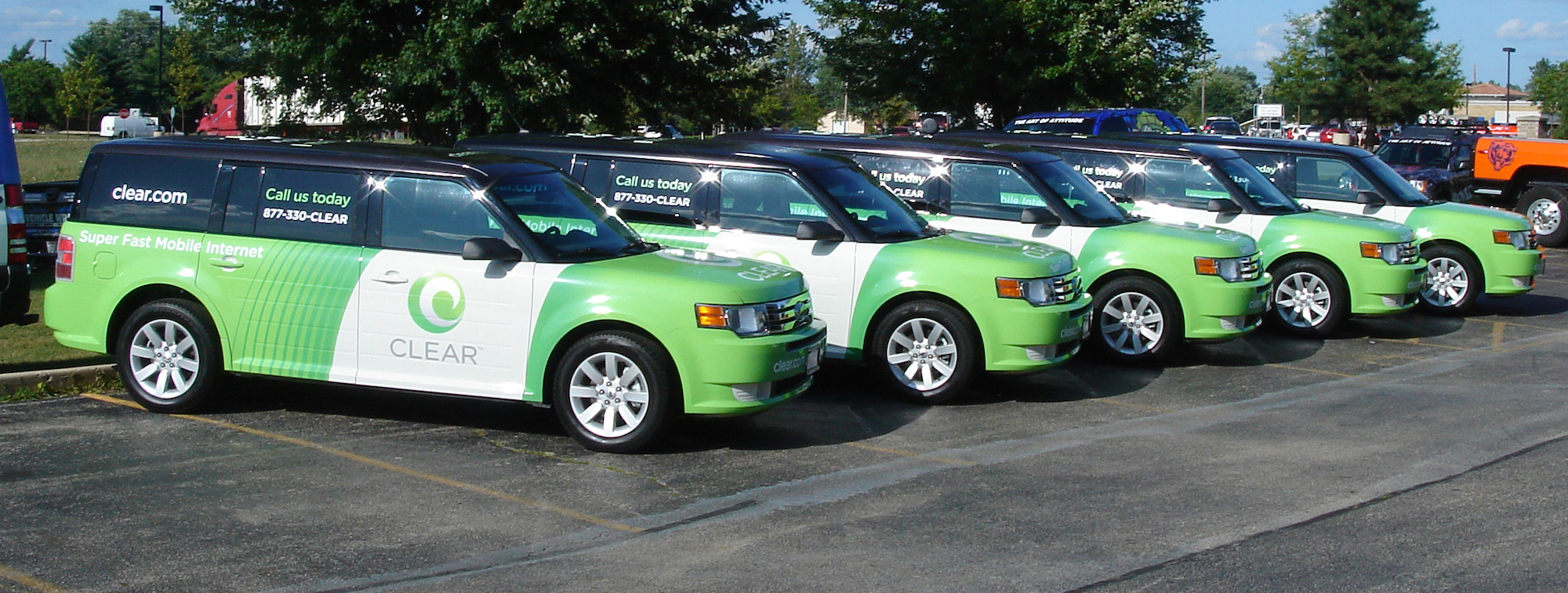
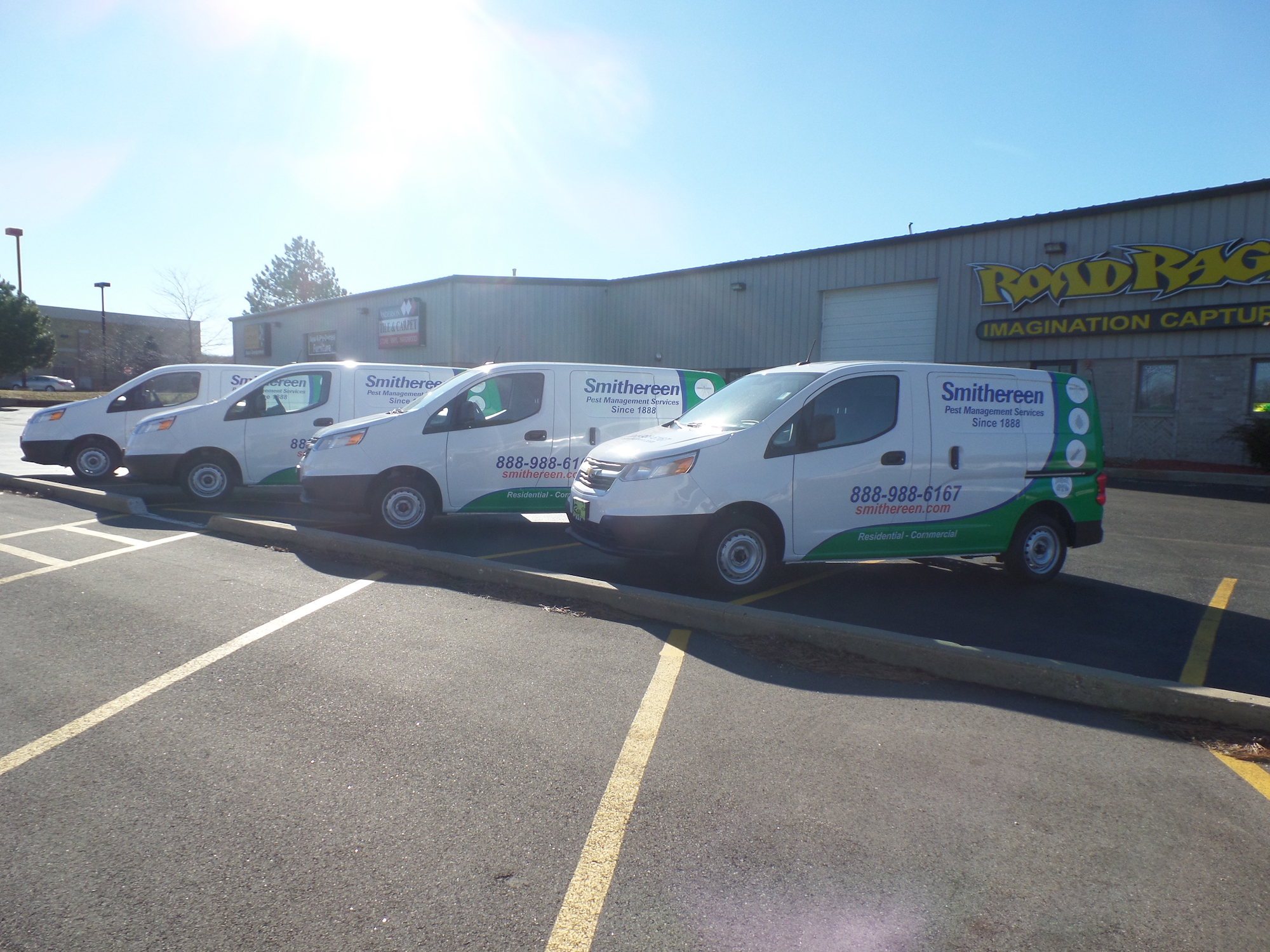
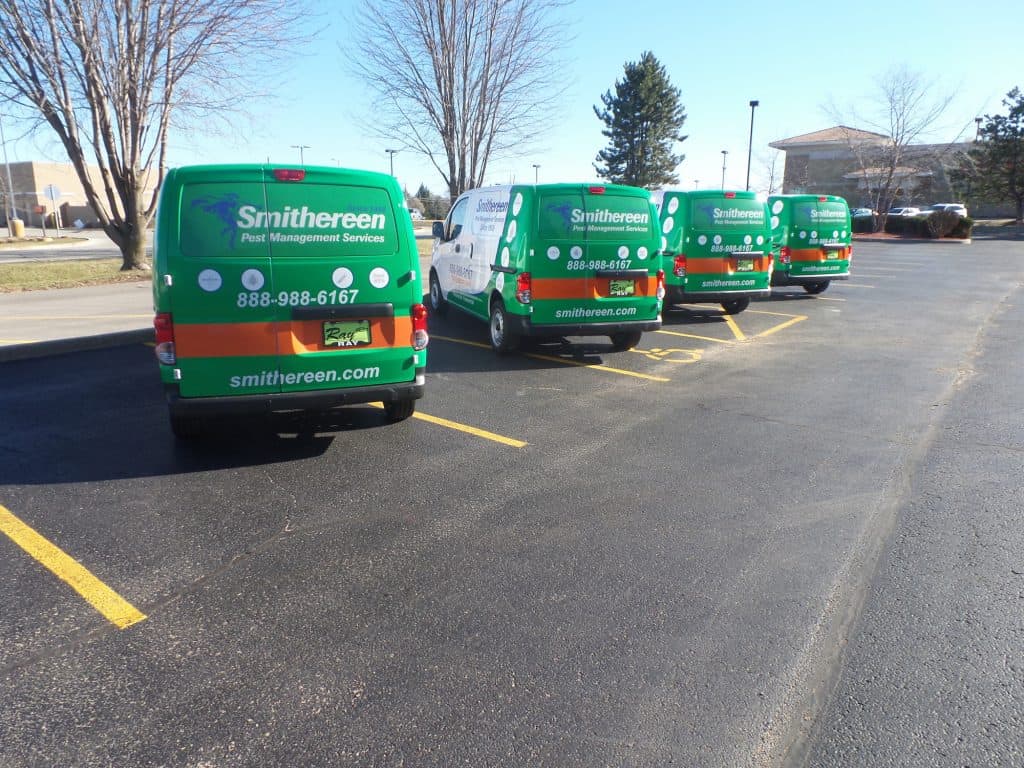
For businesses running mixed fleets—vans, trucks, trailers—consistency matters more than uniformity. You don’t need identical wraps on every vehicle type. You need cohesive branding. Same colors, same logo placement, same core messaging. The design should adapt to each vehicle’s shape while maintaining visual consistency across the fleet.
This is where working with experienced installers makes a difference. We understand how to scale designs across different vehicle types without losing impact. We know which elements need to stay consistent and which can flex based on available space. That expertise prevents the common mistake of forcing a design onto a vehicle where it doesn’t work, then being disappointed with the result.
Fleet Wrap Durability and Maintenance for Long-Term Performance
A fleet wrap is only a good investment if it lasts. That lifespan depends on three factors: material quality, installation skill, and how you maintain it.
Premium vinyl from manufacturers like 3M or Avery Dennison is engineered to handle commercial use. It’s built to withstand UV exposure, weather, road debris, and frequent washing. When installed correctly by certified technicians, these materials consistently deliver five to seven years of performance. Some businesses report wraps lasting even longer on vehicles that see lighter use or spend time in covered parking.
Installation quality is where most problems start. A wrap that’s poorly applied will show bubbles, lifting edges, or premature fading. It won’t conform properly to vehicle contours. It might start peeling within months instead of years. That’s why installer certification matters. 3M and PDAA certifications mean the technician has been trained in proper surface preparation, application techniques, and quality standards. It’s not just about making the wrap look good on day one. It’s about making it last.
Maintenance is simpler than most people expect. Hand washing with mild soap and water is all you need. Avoid high-pressure washers—they can lift edges or damage the vinyl. Skip the automated car washes with stiff brushes. Don’t use petroleum-based cleaners or harsh chemicals. Those basic precautions keep the wrap looking professional for years.
Regular inspections help too. Check high-contact areas like door handles, mirrors, and lower panels for early signs of wear. If you catch a lifting edge or small tear early, a quick repair prevents it from spreading. Most wrap shops can handle minor fixes without replacing entire panels. That kind of preventive maintenance extends the wrap’s lifespan and protects your investment.
Temperature extremes can affect vinyl, but quality materials are designed to handle them. In McHenry County, that means both summer heat and winter cold. Modern wrap films are engineered for these conditions. They won’t crack in freezing temperatures or bubble in heat, as long as they were installed properly and the vehicle’s paint was in good condition before application.
The other durability factor is how the wrap protects your vehicle. Vinyl acts as a barrier against minor scratches, stone chips, and UV damage to the original paint. When you eventually remove the wrap, the paint underneath is often in better condition than exposed areas. That preservation can improve resale value, especially for newer vehicles in your fleet.
One question that comes up frequently: can you update or change a wrap? Yes. Vinyl is removable without damaging the paint beneath it, assuming the paint was in good shape to begin with. If your branding changes, if you add new services, if you want to refresh the design—the wrap can be removed and replaced. That flexibility gives you options that a permanent paint job doesn’t.
Making the Fleet Wrap Decision for Your Business
The ROI case for fleet wraps is straightforward. You’re looking at the lowest cost-per-impression in advertising, a one-time investment that works for years, and measurable returns that most businesses see within months.
But the decision isn’t just about numbers. It’s about whether your vehicles are already operating in areas where your customers live and work. It’s about whether you’re ready to present a consistent, professional brand across your entire fleet. And it’s about finding an installation partner who understands both the technical work and the business strategy behind it.
If you’re spending money on advertising that disappears the moment you stop paying, fleet wraps offer a different model. The investment happens once. The returns compound over time. And your marketing keeps working every single day your vehicles are on the road.
We work with businesses throughout McHenry County to design, install, and manage fleet graphics that deliver measurable results. Our focus is on quality that lasts, transparent pricing, and helping you make decisions that actually make sense for your business.